September 5, 2026
Severe weather presents immediate hazards to residential neighborhoods, where mature trees can quickly transform from picturesque landscape assets into dangerous physical liabilities. Strong winds, heavy ice, and torrential rains routinely weaken branch structures, threatening nearby roofs, vehicles, and utility lines. Proactive arboricultural maintenance mitigates these risks effectively by identifying structural vulnerabilities long before severe weather hits. Certified arborist interventions preserve mature foliage while establishing crucial clearance zones around living spaces. When severe weather passes, prompt professional cleanup restores physical safety across damaged residential grounds. Engaging proven local tree services shields real estate equity, prevents catastrophic structural damage, and protects family members during extreme environmental events.
1. Evaluating Risk Levels Before Severe Weather Strikes
Comprehensive property evaluations serve as the vital first line of defense against severe storm damage across residential neighborhoods. Professional arborists systematically inspect mature trunks, root plates, and upper canopy formations to identify internal decay, structural cracks, or hazardous deadwood. Unidentified hollow trunks and unstable branch unions pose severe falling hazards when high winds impact local residential areas. Identifying structural weaknesses early allows property owners to take preventative corrective measures before severe seasonal weather arrives. Contracting experienced local tree services ensures that certified specialists conduct thorough risk assessments and execute precise structural crown thinning. Early structural interventions stabilize mature trees, minimizing unexpected branch failure during severe weather events.
2. Analyzing Industry Demand Driven by Emergency Response Needs
The financial impact of severe weather events drives significant ongoing demand for professional arboricultural interventions across urban and suburban environments. According to Zipdo, storm damage accounts for roughly 35% of tree service demand in the U.S., making emergency response a major service driver. This high operational volume underscores the essential role professional arborists play in maintaining public safety during natural weather disruptions. Property owners depend on rapid response crews to clear downed timber, remove dangerous hanging limbs, and restore safe access to roadways. Relying on established local tree services ensures fast response times, specialized equipment availability, and expert risk management when severe weather impacts communities unexpectedly.
3. Pruning Vulnerable Canopies to Reduce Wind Resistance
Overgrown, dense tree canopies act like sails during severe windstorms, catching powerful gusts that put immense mechanical stress on trunk bases and root systems. Crown thinning removes select secondary branches, allowing strong winds to pass smoothly through upper foliage without causing structural failure. Proper structural pruning reduces overall canopy weight while preserving the natural health and aesthetic beauty of mature specimens. Skilled arborists utilize precise directional cuts to shape branch structures safely, avoiding excessive trimming that stresses trees. Utilizing specialized local tree services guarantees proper pruning practices that protect landscape investments, minimize storm resistance, and ensure long-term structural vitality for surrounding canopy trees.
4. Clearing Utility Lines From Overhanging Structural Branches
Trees growing near overhead electrical power lines represent significant fire hazards and severe power outage risks during high-wind severe weather events. Falling limbs can snap high-voltage utility lines, causing widespread electrical blackouts, dangerous ground fires, and severe structural property damage across residential streets. Utility companies and private homeowners must coordinate routine clearance pruning to maintain safe physical buffers around power infrastructure. Certified line-clearance arborists possess specialized training and non-conductive equipment required to trim branches near active electrical lines safely. Hiring qualified local tree services mitigates dangerous electrical hazards, preserving uninterrupted power service and protecting neighborhood homes during intense seasonal storms.
5. Identifying Root System Decay and Structural Instability
A tree's structural stability relies entirely on the strength and depth of its subterranean root system anchors underground. Fungal decay, soil compaction, construction trenching, and prolonged heavy rainfall severely weaken root anchors, making tall specimens prone to complete uprooting. Root rot often displays subtle above-ground symptoms, such as premature leaf drop, fungal growth at trunk bases, or leaning canopy trunks. Detecting root instability early prevents massive trees from collapsing unexpectedly onto residential structures during severe windstorms. Professional arborists perform soil decompaction and root collar excavations to evaluate structural anchor health. Addressing subterranean root decay early shields properties against catastrophic storm collapses.
6. Removing Hazardous Deadwood to Protect Surrounding Structures
Dead, decaying, or diseased branches pose continuous hazards to residential structures, as brittle wood breaks easily under minimal wind or ice loads. Unattended deadwood can detach suddenly, crashing through roofs, smashing parked vehicles, or injuring family members walking across outdoor patio spaces below. Systematic deadwood removal clears fragile limbs from upper canopies, eliminating potential projectiles before severe seasonal storms hit local communities. Certified tree care crews utilize modern rigging techniques to lower heavy dead limbs safely without damaging underlying home structures or surrounding garden landscapes. Engaging reputable local tree services keeps properties pristine, eliminating dangerous falling debris and ensuring outdoor residential areas remain secure.
7. Applying Cabling and Bracing to Strengthen Weak Unions
Mature trees featuring co-dominant trunks or heavy, overextended branches often develop weak V-shaped crotches that split easily under heavy storm conditions. Structural cabling and bracing systems provide essential mechanical support, distributing dynamic wind loads evenly across multiple strong attachment points throughout upper canopies. Flexible steel cables installed high in the canopy limit branch movement, while rigid threaded rods reinforce split trunk unions near lower bases. Installing supplemental hardware extends the operational lifespan of historic or high-value trees safely without requiring complete removal. Expert installation guarantees hardware performs correctly during severe weather, preventing sudden structural splits across valuable landscape specimens.
8. Clearing Storm Debris and Restoring Property Accessibility
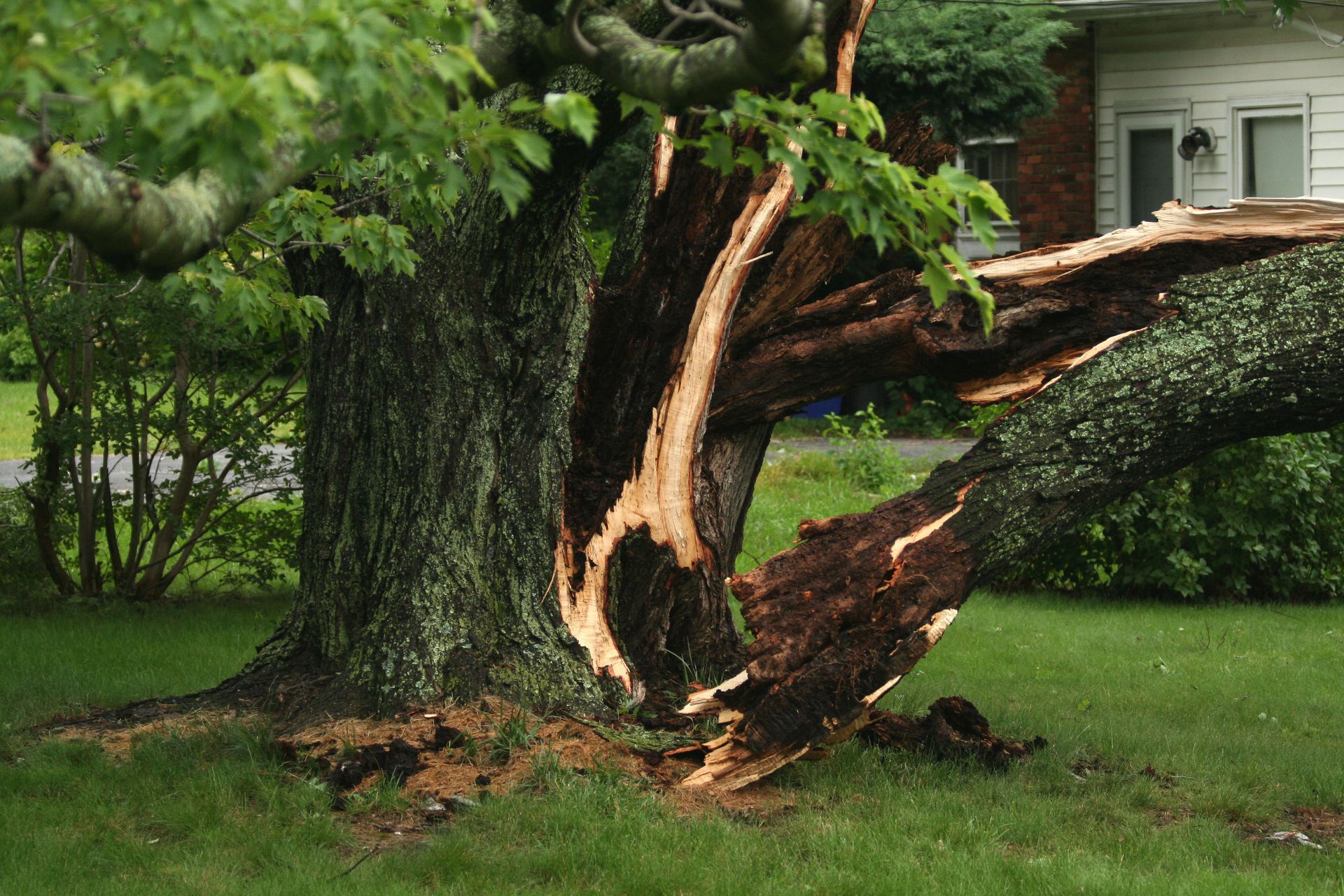
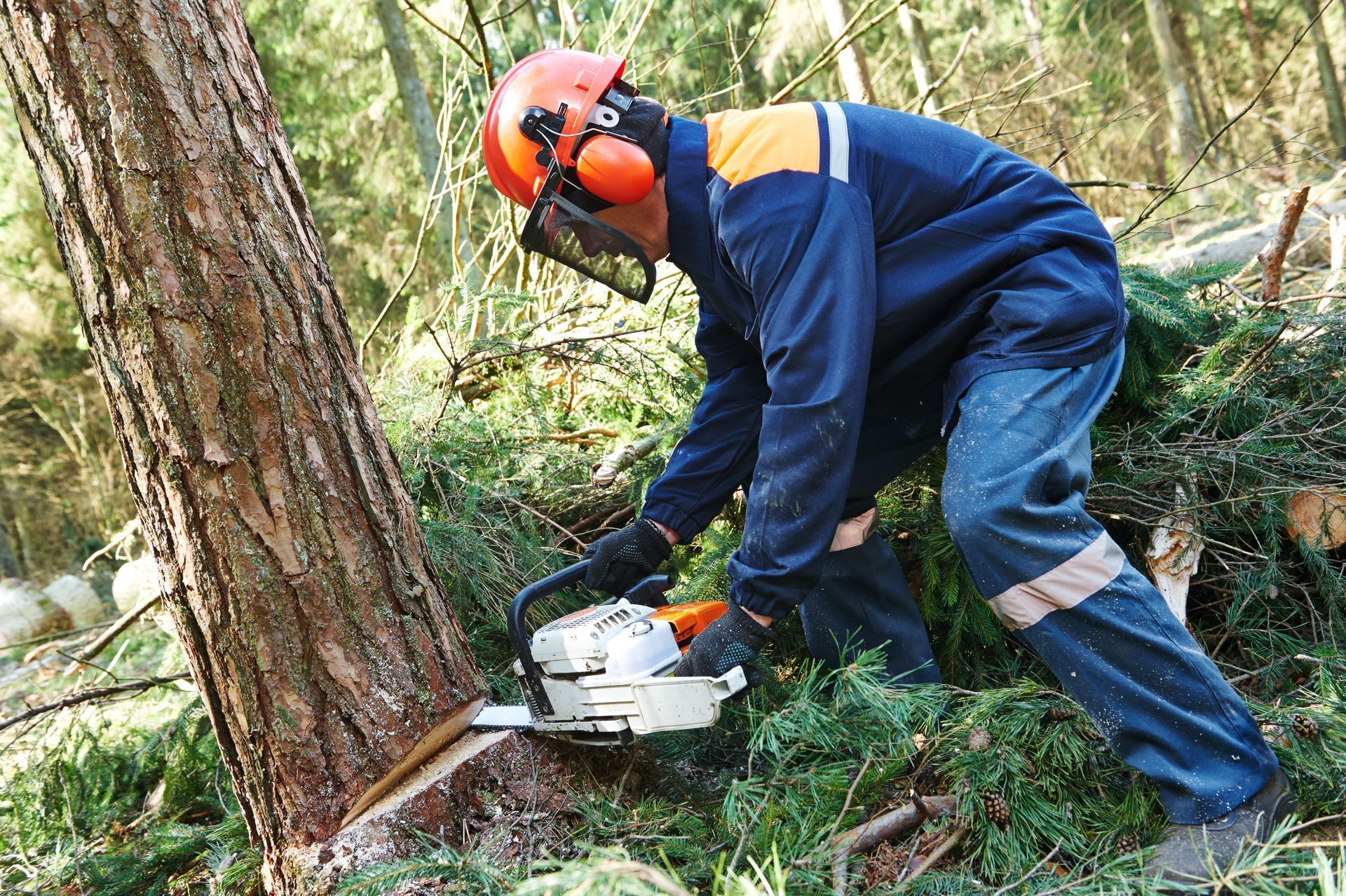
Post-storm environments present hazardous conditions, including splintered timber, entangled limbs, and heavy debris blocking driveways and home entries. Attempting DIY cleanup using chainsaws near unstable, tensioned logs carries extreme personal injury risks for inexperienced property owners. Professional cleanup crews arrive equipped with heavy machinery, including wood chippers, cranes, and hydraulic loaders, to process downed timber efficiently and safely. Rapid debris removal clears emergency vehicle pathways, prevents pest infestations in piled wood, and restores visual order to damaged residential landscapes. Contracting dependable local tree services ensures comprehensive site restoration, allowing families to recover quickly following severe environmental storm occurrences.
9. Removing Stumps and Mitigating Subterranean Pest Hazards
Leaving massive stumps from storm-toppled trees behind creates persistent physical tripping hazards and attracts wood-boring pests to residential yards. Subterranean decay in remaining root masses creates localized ground sinking, compromising lawn uniformity and creating lawn mower damage hazards over time. High-powered stump grinding machinery pulverizes below-grade wood, turning dense roots into beneficial mulch while leveling surrounding soil contours completely. Eliminating lingering tree stumps prevents subterranean pest colonies, including termites and carpenter ants, from establishing bases near residential home foundations. Professional stump removal completes storm recovery efforts, preparing cleared landscape areas for future replanting or property improvement projects.
10. Securing Emergency Services for Immediate Danger Prevention
When severe storms strike unexpectedly, damaged trees leaning precariously against homes or utility lines require immediate professional emergency intervention. Delaying emergency tree work increases structural damage risks and exposes property owners to severe legal and financial liabilities. Certified emergency crews operate around the clock, utilizing specialized crane setups and rigging gear to lift dangerous trees off damaged roofs safely. Rapid emergency stabilization prevents secondary water damage to exposed home interiors during ongoing rainstorms. Establishing relationships with proven tree services provides property owners with priority emergency response, securing rapid site stabilization and essential protection when natural disasters affect local neighborhoods unexpectedly.
Proactive arboricultural management remains essential for safeguarding residential properties against the destructive forces of severe seasonal weather storms. From preliminary risk assessments and crown thinning to structural cabling and rapid emergency cleanup, professional tree care protects homes and families comprehensively. Addressing structural weaknesses, root decay, and deadwood early prevents catastrophic property damage and costly post-storm emergency interventions. Relying on certified arborists ensures safe, precise execution of complex canopy maintenance using specialized heavy equipment and proven industry techniques. Ultimately, prioritizing routine tree health transforms potential storm liabilities into resilient, beautiful landscape assets that enhance residential property value and neighborhood safety for generations. Are you seeking expert-level local tree services in the Central Arkansas region? Look no further than the professionals at James Tree Service! Call today to schedule a service appointment.