August 13, 2026
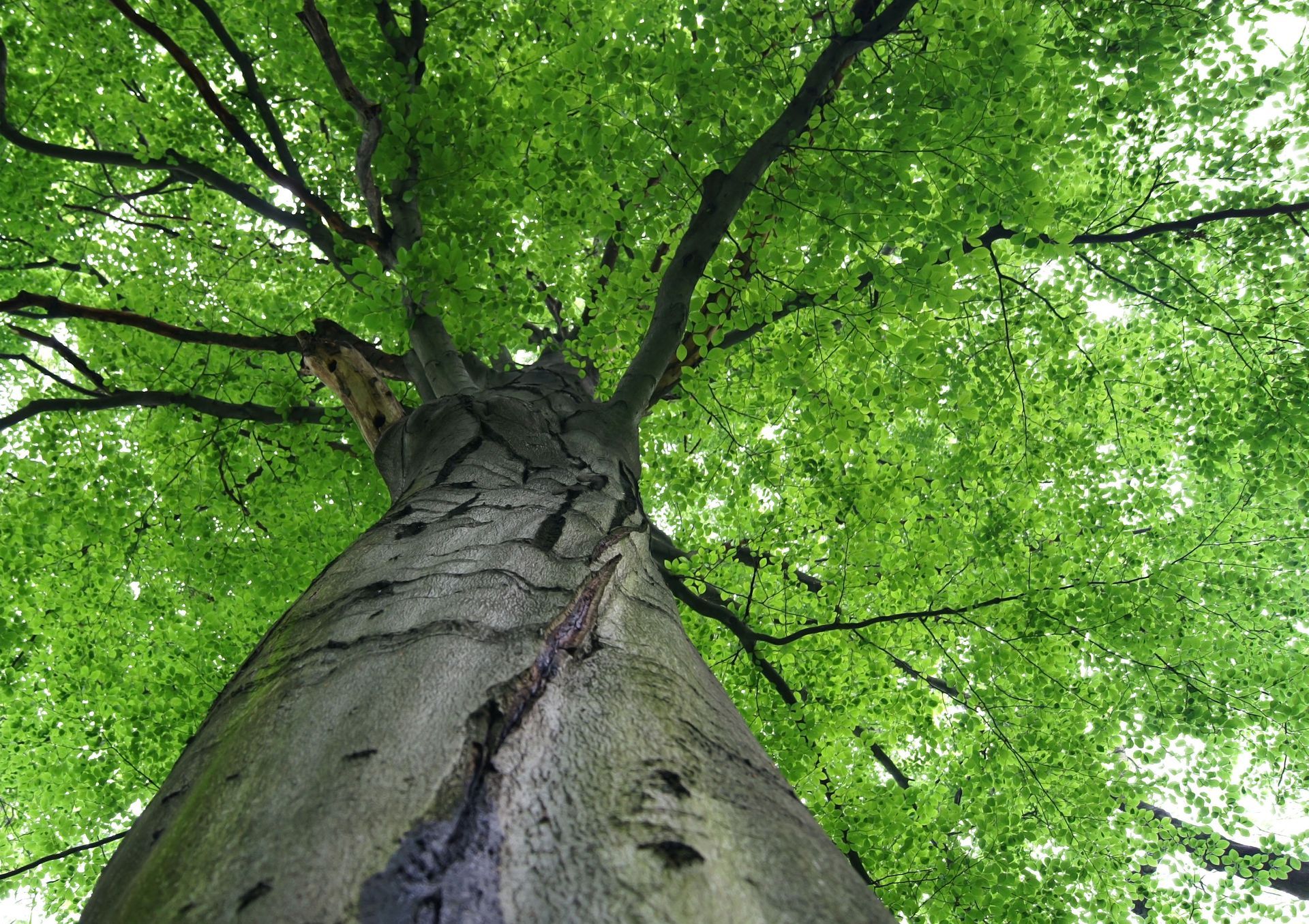
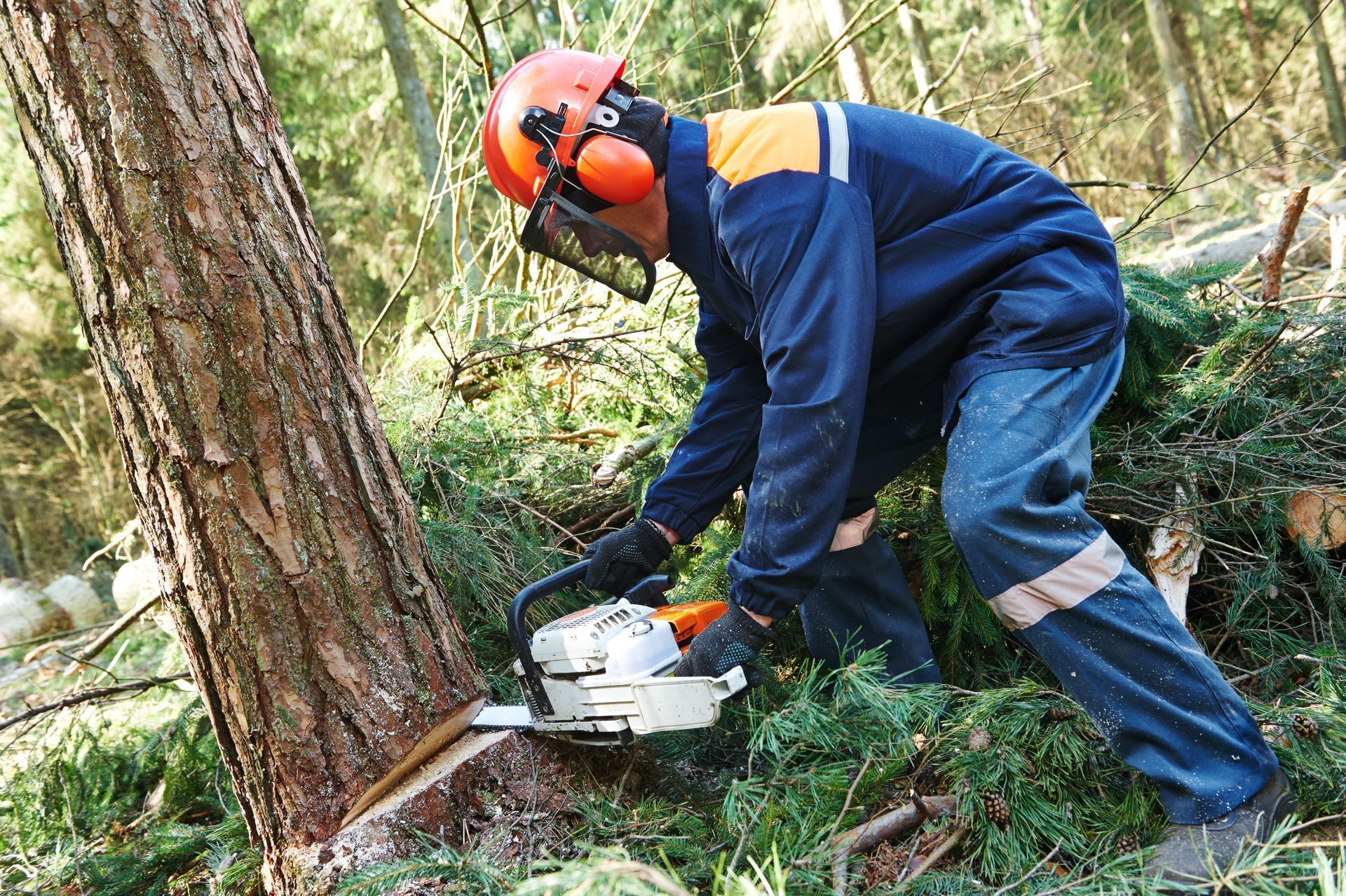
Trees are among the most valuable features of any residential or commercial landscape. A healthy canopy provides shade, improves curb appeal, supports local wildlife, and contributes to the overall character of a property. However, even mature, well-established trees require ongoing care to remain strong and attractive. Weather, pests, disease, and natural growth patterns can all affect the condition of a canopy over time. Scheduling a routine tree service helps identify concerns early while encouraging healthier growth and preserving the appearance of your landscape. The following sections explore the many ways regular professional care supports both the health and beauty of your trees.
Promoting Stronger Tree Health
Encouraging Healthy Growth
Trees naturally produce new branches each growing season, but not every branch contributes positively to the canopy. Weak, damaged, or poorly positioned limbs can compete for nutrients and affect overall development. A routine tree service helps encourage balanced growth by addressing areas that may limit the tree's long-term health. Healthy branch structure allows the canopy to develop more evenly while supporting stronger limbs.
Reducing Disease Risks
Diseased branches can spread problems throughout the tree if left untreated. Regular inspections help identify signs of decay, fungal growth, or other health concerns before they become more extensive. Early attention allows professionals to recommend appropriate solutions that help protect the remaining healthy portions of the tree.
Supporting Better Airflow
Dense canopies may restrict airflow, creating conditions that allow excess moisture to remain on leaves and branches. Improving airflow throughout the canopy supports healthier growing conditions and may reduce environmental stress on the tree. Better circulation also allows sunlight to reach more of the interior branches.
Maintaining Structural Stability
As trees mature, their weight distribution can change. Limbs that grow unevenly or become excessively heavy may place unnecessary strain on the trunk or supporting branches. Routine evaluations help maintain a more balanced structure that supports long-term stability and healthier development.
Enhancing Canopy Appearance
Creating Balanced Growth
A full, symmetrical canopy enhances the overall appearance of any landscape. Trees that receive regular professional attention often develop a more balanced shape because growth patterns are monitored over time. Healthy, evenly distributed branches contribute to an attractive appearance while complementing surrounding plants and structures.
Removing Damaged Branches
Broken, dead, or storm-damaged limbs can make an otherwise healthy tree appear neglected. Removing damaged growth improves the tree's appearance while allowing healthier branches to become more prominent. This also reduces visual clutter within the canopy.
Preserving Natural Form
Every tree species has its own natural shape and growth habit. Professional care focuses on maintaining those characteristics rather than forcing an unnatural appearance. A routine tree service helps preserve the tree's natural beauty while supporting healthy development throughout its life.
Improving Overall Curb Appeal
Well-maintained trees create a positive first impression for visitors, neighbors, and potential buyers. Attractive canopies frame homes and commercial properties while enhancing the overall landscape design. Healthy trees often become one of the property's most noticeable features.
Reducing Safety Concerns
Identifying Weak Limbs
Over time, branches may weaken because of age, weather, or disease. These limbs can become safety hazards if they fail unexpectedly. Routine inspections allow professionals to identify concerns before damaged branches pose unnecessary risks to people, vehicles, or nearby structures.
Managing Storm Damage
Strong winds, heavy snow, and severe storms place significant stress on tree canopies. Regular maintenance helps identify limbs that may be vulnerable during extreme weather. Addressing these concerns before severe conditions arrive can reduce the likelihood of storm-related damage.
Protecting Nearby Structures
As trees continue growing, branches may extend over roofs, driveways, utility lines, or other important areas. Monitoring canopy growth helps maintain appropriate clearance while protecting nearby property. Proper management also reduces the potential for unnecessary damage during storms.
Reducing Falling Debris
Dead branches and weakened limbs can eventually fall without warning. Routine tree service helps reduce the amount of hazardous debris that may accumulate within the canopy. This contributes to a safer outdoor environment for families, visitors, and neighboring properties.
Supporting Long-Term Landscape Health
Protecting Surrounding Plants
Trees influence the health of the entire landscape. Overgrown canopies may block excessive sunlight from reaching lawns, shrubs, and flower beds. Regular maintenance helps create a healthier balance between mature trees and surrounding vegetation while allowing each plant to receive appropriate growing conditions.
Encouraging Healthy Root Systems
Healthy canopy development often reflects healthy root development. Monitoring tree health on a regular basis allows professionals to identify visible warning signs that could indicate larger structural concerns below ground. Maintaining overall tree health supports stronger root systems over time.
Managing Stump Concerns
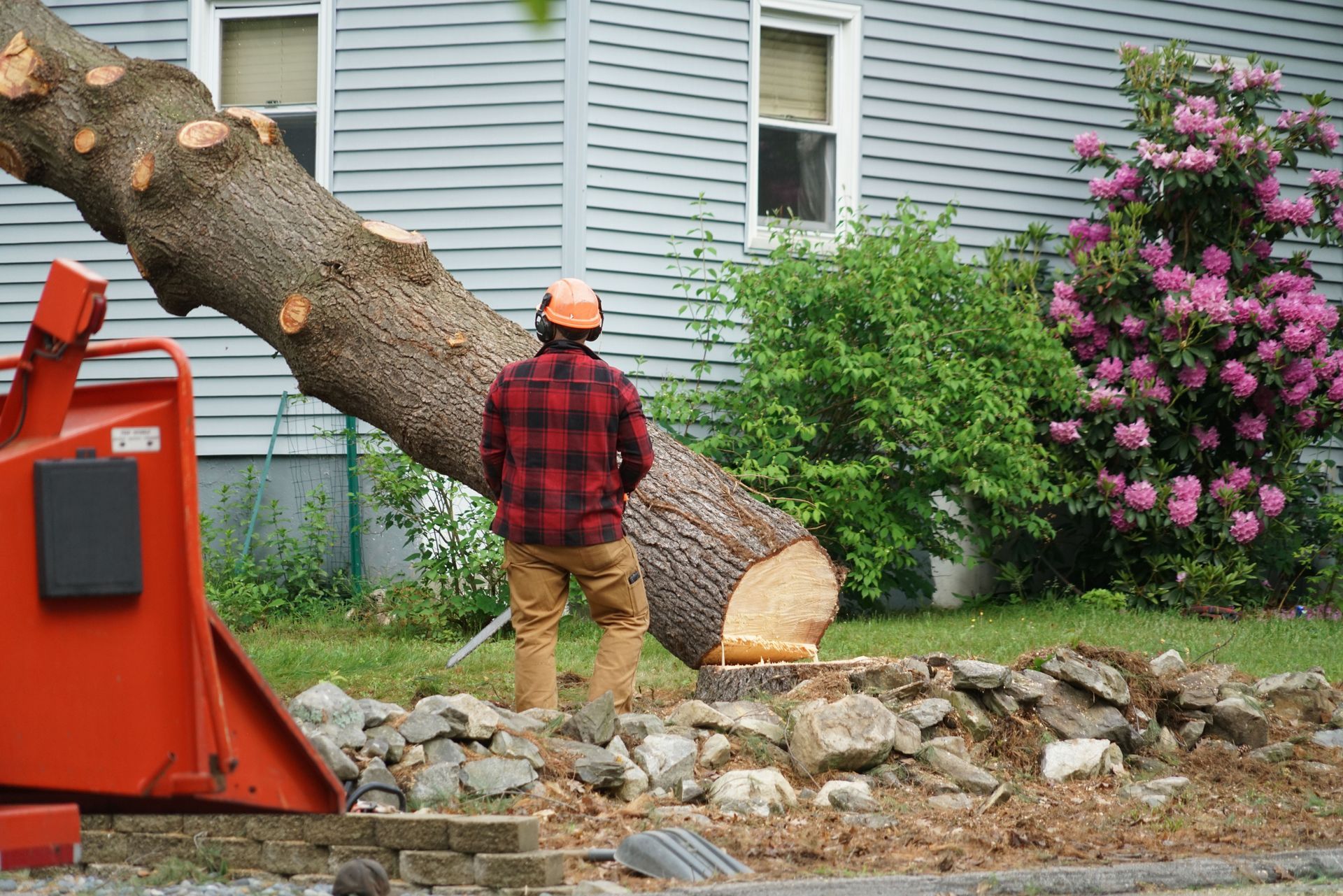
After a tree is removed, leftover stumps can affect both appearance and future landscaping plans. According to Bob Vila, covering a stump with a tarp may still require as long as six months before it dies completely. Professional stump removal offers a more efficient solution for restoring usable landscape space while improving the property's appearance.
Supporting Future Growth
Consistent maintenance helps trees continue thriving for decades. Monitoring changes from season to season allows professionals to identify potential issues before they become major problems. This long-term approach supports healthier landscapes that continue adding value year after year.
Improving Environmental Benefits
Increasing Shade Coverage
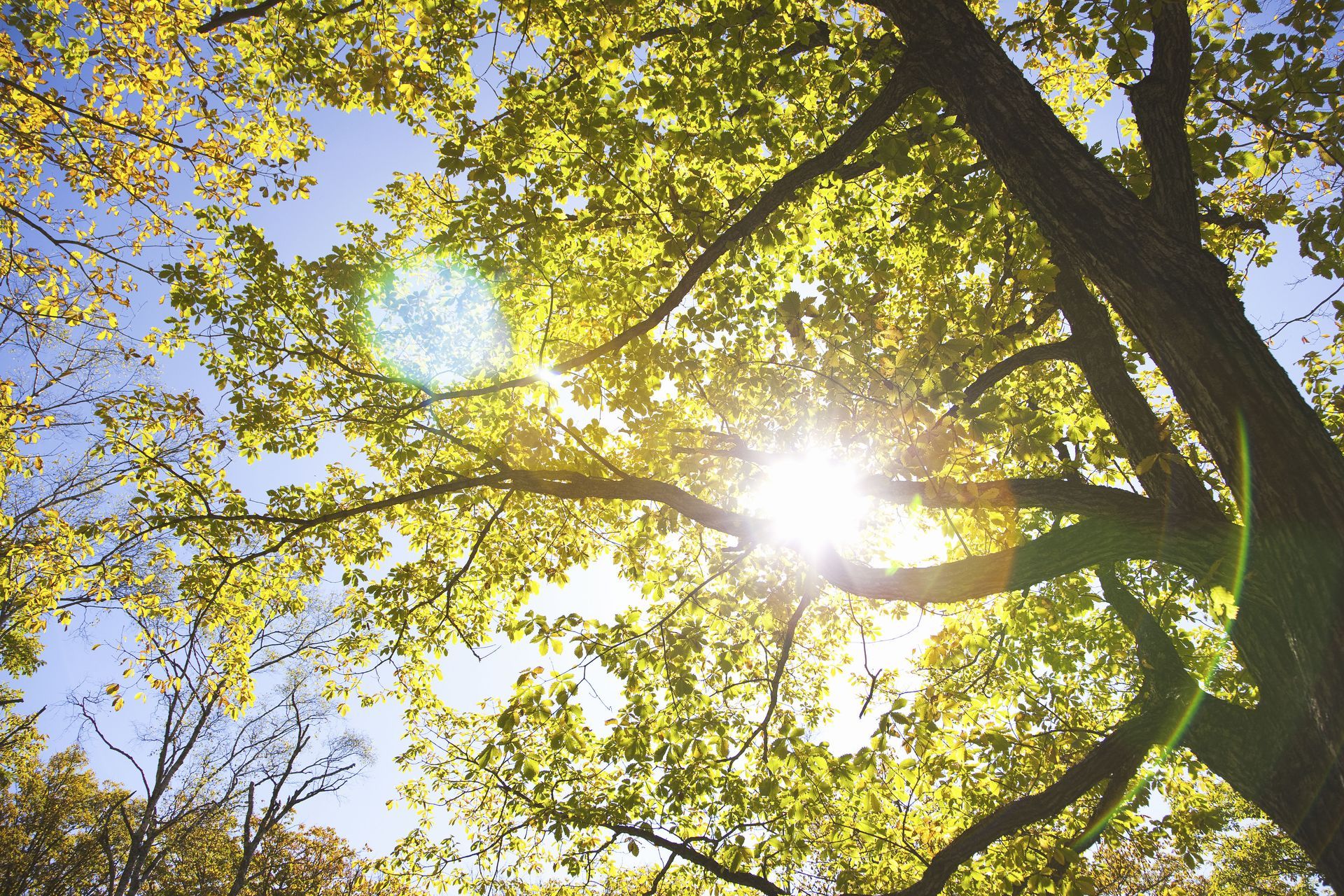
Healthy canopies provide valuable shade that improves outdoor comfort while helping reduce heat around homes and commercial buildings. Trees with strong branch structures and healthy foliage create more consistent shade throughout the growing season.
Supporting Better Air Quality
Trees naturally help filter airborne particles while producing oxygen. Maintaining healthy canopies allows trees to continue performing these important environmental functions. Strong, vigorous growth contributes to better overall landscape performance.
Providing Wildlife Habitat
Birds, pollinators, and many other beneficial wildlife species rely on healthy trees for shelter and nesting opportunities. Proper care supports stable canopies that continue serving as valuable habitat while preserving the natural balance of the landscape.
Reducing Environmental Stress
Drought, compacted soil, insect activity, and changing weather patterns all place stress on trees. Routine evaluations help identify signs of environmental stress before they significantly affect canopy health. Early attention supports stronger trees that can better adapt to changing conditions.
Preserving Long-Term Property Value
Protecting Landscape Investments
Mature trees often represent years or even decades of landscape growth. Regular maintenance helps preserve these valuable assets by supporting healthy development and reducing the likelihood of preventable decline. Healthy trees continue enhancing the property's appearance for many years.
Maintaining Consistent Property Appeal
Beautiful, healthy trees create an inviting atmosphere throughout every season. Whether viewed from the street or enjoyed from the backyard, a well-maintained canopy contributes to an attractive landscape that reflects ongoing property care. A dependable tree service helps maintain this consistent appearance over time.
Reducing Future Repair Costs
Identifying concerns early often prevents minor issues from becoming much larger problems. Routine inspections can uncover damaged limbs, disease, or structural weaknesses before they require more extensive work. Preventative care supports healthier trees while helping property owners plan for future maintenance needs.
Providing Lasting Peace of Mind
Knowing your trees receive regular professional attention allows you to enjoy your landscape with greater confidence. Healthy canopies, safer branch structures, and improved appearance all contribute to a property that remains beautiful throughout the year. Routine tree service supports both immediate enjoyment and long-term landscape success.
Healthy trees require consistent attention to remain beautiful, structurally sound, and beneficial to your property. Regular maintenance helps support stronger growth, improves safety, enhances curb appeal, and protects your long-term landscape investment. When you're ready to keep your trees looking their best, contact James Tree Service for professional care tailored to the needs of your property.