September 3, 2026
Trees provide shade, enhance curb appeal, and boost property value, making them one of the most cherished assets of any landscape. However, when a tree becomes hazardous, diseased, or invasive, tree removal becomes an unavoidable responsibility for property owners.
Despite how frequently this service is needed, there's a staggering amount of misinformation surrounding the process. Misunderstandings range from DIY safety to legal permissions and structural health, often leading homeowners to make costly or dangerous decisions. Clearing up these widespread myths helps you make informed choices that protect both your finances and the surrounding environment.
Misconception 1: Tree Removal Is a Simple Weekend DIY Project
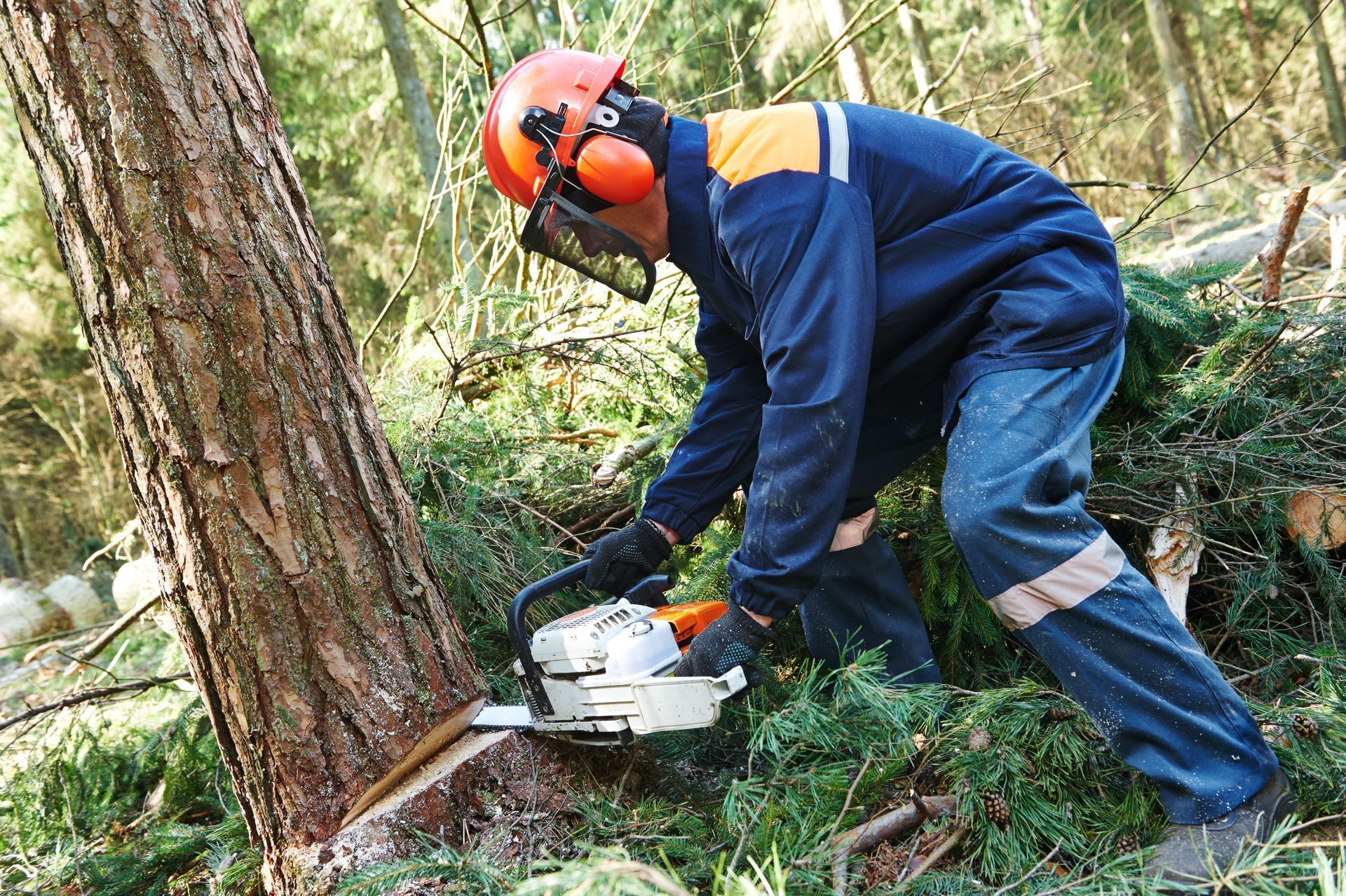
One of the most dangerous myths is that cutting down a tree is a straightforward task suitable for a handy homeowner. Armed with a chainsaw and a ladder, many people assume they can handle tree removal without professional assistance. In reality, tree service involves complex physics, specialized equipment, and precise execution. Predicting exactly where a tree or heavy limb will land requires accounting for wood density, lean, and wind conditions. According to OSHA, three common hazards associated with tree care include falling branches, power lines, and faulty safety equipment. Attempting a DIY job without professional rigging and safety gear significantly increases the risk of catastrophic property damage or life-threatening injuries.
Beyond the immediate danger of falling timber, inexperienced individuals often lack the specialized knowledge required to handle unexpected operational failures. Chainsaws can kick back instantly if they strike hidden metal, dense knots, or tensioned branches, leading to severe physical trauma. Additionally, working at elevated heights without proper fall-protection harnesses exponentially increases the likelihood of a devastating fall. What initially seems like a way to save a few hundred dollars can quickly escalate into thousands of dollars in emergency room bills, home repairs, or third-party liability claims. Hiring trained professionals who possess heavy-duty rigging gear, specialized insurance, and years of experience is always the smarter and safer investment.
Misconception 2: Healthy-Looking Trees Never Need to Be Removed
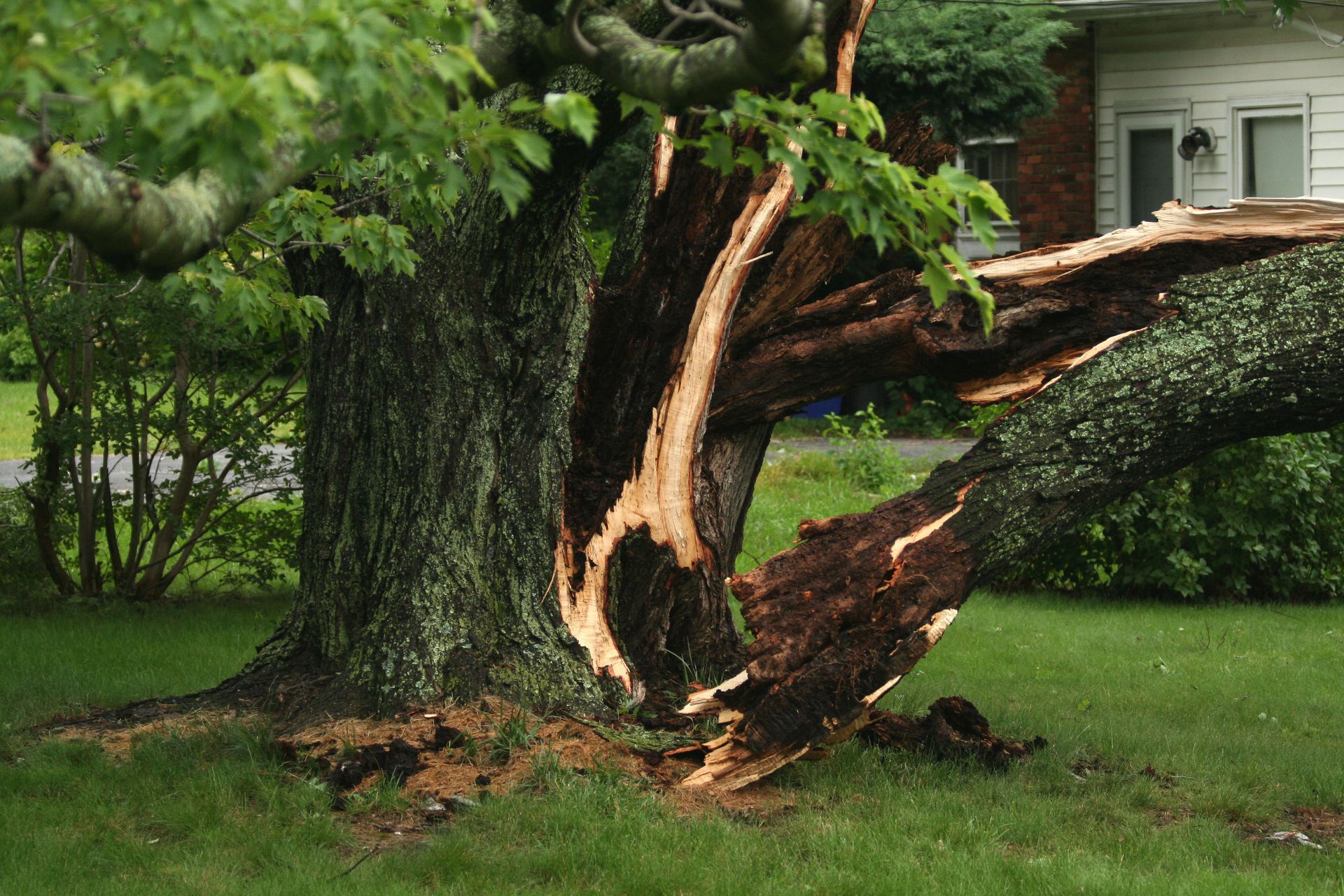
It is easy to assume that a tree with vibrant green leaves and strong outer bark is structurally sound. However, visual appearance can be deceiving. Trees often decay from the inside out due to fungal infections, pest infestations, or internal hollows, leaving the outer shell looking deceptively healthy. Root systems can also suffer severe damage from construction, soil compaction, or flooding while the canopy remains green for another season or two. A visually healthy tree with severe internal decay can easily collapse during a sudden storm. Professional arborists use specialized tools to assess internal integrity before determining whether tree removal is necessary to eliminate hidden risks.
Misconception 3: Removing a Tree Is Always Bad for the Environment
Many environmentally conscious individuals believe that taking down any tree harms the local ecosystem. While preserving urban canopy is generally vital, strategic tree removal often benefits the broader environment. Diseased or pest-infested trees can spread pathogens to neighboring healthy foliage if left standing. Invasive tree species can aggressively choke out native plants, disrupting local wildlife habitats and reducing biodiversity. Additionally, overcrowded lots prevent smaller saplings from receiving adequate sunlight and soil nutrients. Removing an unhealthy, invasive, or crowded tree allows the remaining ecosystem to thrive and creates room for planting more suitable, healthy native flora.
Misconception 4: You Can Safely Remove Any Tree on Your Own Property Without Permission
A common legal misconception is that owning a parcel of land gives you unrestricted rights to alter or eliminate any vegetation on it. In reality, municipal codes, local ordinances, and homeowners association rules frequently regulate tree removal. Many cities protect specific native species, historic trees, or trees above a certain trunk diameter, requiring formal permits before work can begin. Removing a protected tree without proper authorization can result in substantial fines, legal penalties, or mandatory replanting orders. Checking local regulations and securing necessary permits beforehand avoids unexpected legal trouble and expensive financial penalties.
Furthermore, property lines and boundary disputes introduce additional layers of legal complexity that many homeowners overlook. Trees that straddle a shared property boundary, which are often referred to as boundary trees, are co-owned by both neighboring landowners, meaning taking one down without explicit, documented consent from your neighbor can lead to costly civil litigation. Additionally, trees located near power corridors, public utility easements, or designated environmental conservation zones are subject to strict oversight from utility companies and local conservation boards. Failing to identify these jurisdictional overlaps before initiating tree removal can trigger severe municipal code violations, property boundary disputes, and expensive legal liabilities.
Misconception 5: Stumps Will Decay Quickly and Can Be Safely Left Behind
After a tree is cut down, some property owners choose to skip stump grinding or extraction, assuming the leftover stump will naturally rot away in a few months. In truth, natural decomposition can take anywhere from a decade to several decades, depending on the tree species and soil conditions. Leaving a stump behind creates a hidden tripping hazard and can damage lawn mowers. More importantly, decaying wood attracts destructive pests such as termites, carpenter ants, and wood-boring beetles, which may eventually migrate toward your home. Completing the full tree removal process by grinding or pulling the stump is essential for maintaining a safe and pest-free yard.
Misconception 6: Tree Removal Is Far Too Expensive for Average Homeowners
Because professional arborists rely on heavy machinery, specialized rigging, and comprehensive insurance policies, many homeowners assume the service isn't affordable. This perception leads people to delay necessary work until a severe storm forces an emergency situation. In reality, the cost of routine, scheduled tree removal is far lower than repairing a crushed roof, destroyed vehicle, or downed power line after a neglected tree falls. Professional tree service providers offer tailored quotes based on height, location, and difficulty, making planned maintenance a predictable and manageable investment compared to catastrophic structural repairs.
Additionally, homeowners often fail to realize how flexible and negotiable the overall pricing structure can be when working with established tree care companies. Many professional services offer flexible service tiers, allowing property owners to save significantly by opting to handle basic cleanup tasks, such as raking smaller debris, stacking firewood, or hauling away brush, themselves after the major structure has been safely dismantled. Off-season scheduling, bundling multiple maintenance tasks into a single visit, or coordinating with neighboring property owners to share equipment setup fees can also substantially lower total out-of-pocket expenses. Viewing professional tree removal as a proactive maintenance expense rather than a luxury allows property owners to budget effectively while safeguarding their homes and financial stability.
Misconception 7: Any General Contractor or Handyman Can Handle the Job
Homeowners often assume that a general handyman or landscaping crew can perform the task just as well as a certified arborist. While basic yard maintenance crews excel at lawn care and light pruning, complex tree removal requires special knowledge of tree biology, structural mechanics, and high-risk safety protocols. Uninsured or untrained workers lack the heavy-duty rigging gear and safety training needed to negotiate tight spaces between homes and utility lines. Hiring a certified, insured arborist ensures that the project is executed safely, legally, and without leaving your property vulnerable to accidental damage or liability claims.
Making educated decisions about your landscape requires separating myth from reality. Tree removal is a highly technical, regulated, and inherently hazardous process that extends far beyond simply cutting through wood. By recognizing the true risks, legal requirements, and ecological benefits associated with professional tree care, property owners can protect their investments and surrounding structures. When facing potential hazard trees, consulting with certified, insured arborists remains the safest and most efficient path forward. Proper planning and professional expertise ensure that your yard remains safe, functional, and beautiful for generations to come. If you need a tree removed, get started today by reaching out to the professionals at Pro Master Construction LLC.