December 15, 2025
Hiring professional tree care companies can make a world of difference in maintaining the health, safety, and beauty of your property. Trees not only enhance the aesthetic appeal of your yard, but they also play a vital role in improving air quality, providing shade, and supporting local ecosystems. However, not all tree service providers offer the same level of expertise, equipment, and safety standards. Asking the right questions before hiring a tree care company can save you time, money, and potential headaches.
Many homeowners underestimate the risks and complexities involved in tree maintenance. From trimming and pruning to complete removal, every service requires skilled professionals who understand the nuances of arboriculture. By preparing a set of questions in advance, you can ensure that the company you hire meets your expectations and provides reliable, safe, and effective service. This article will outline four crucial questions to ask before hiring a tree care company.
1. Are You Licensed and Insured?
One of the first things you should ask any tree service provider is whether they are licensed and insured. Licensing indicates that the company meets local and state requirements for tree care services, while insurance protects you from potential liability if accidents occur during the job. Tree work is inherently risky, with the potential for falling limbs, damaged property, or personal injury. Hiring a licensed and insured company ensures that any incidents will be covered.
In addition to general liability insurance, check whether the company carries workers’ compensation insurance. This coverage protects you from being held responsible if a worker is injured on your property. Reputable tree care companies will be transparent about their credentials and provide proof of both licensing and insurance without hesitation.
Failing to verify these details could result in expensive damages or legal complications. By prioritizing licensed and insured providers, you can have peace of mind knowing that your property and everyone involved are protected. This foundational step sets the tone for a professional and safe service experience.
2. What Experience Do You Have?
Tree care is not a one-size-fits-all service. Some companies specialize in trimming and pruning, while others focus on disease management, emergency removals, or land clearing. It’s important to ask about the company’s experience with the specific type of work you need. A company with extensive knowledge of local tree species and conditions is better equipped to handle your property safely and effectively.
Ask for references or examples of past projects to assess their competence. Many tree care companies maintain portfolios showcasing before-and-after photos of their work, which can give you insight into the quality and consistency of their services. You can also inquire about the training and certifications of their arborists, as professional qualifications often reflect a higher level of expertise.
Knowing a company’s experience helps you gauge whether it can handle unique or challenging situations. Whether it’s a large oak near a power line or a delicate ornamental tree, hiring professionals familiar with the task ensures better outcomes and reduces the risk of damage. Experienced companies are also better at anticipating potential complications before they become major problems.
3. How Do You Handle Safety Measures?
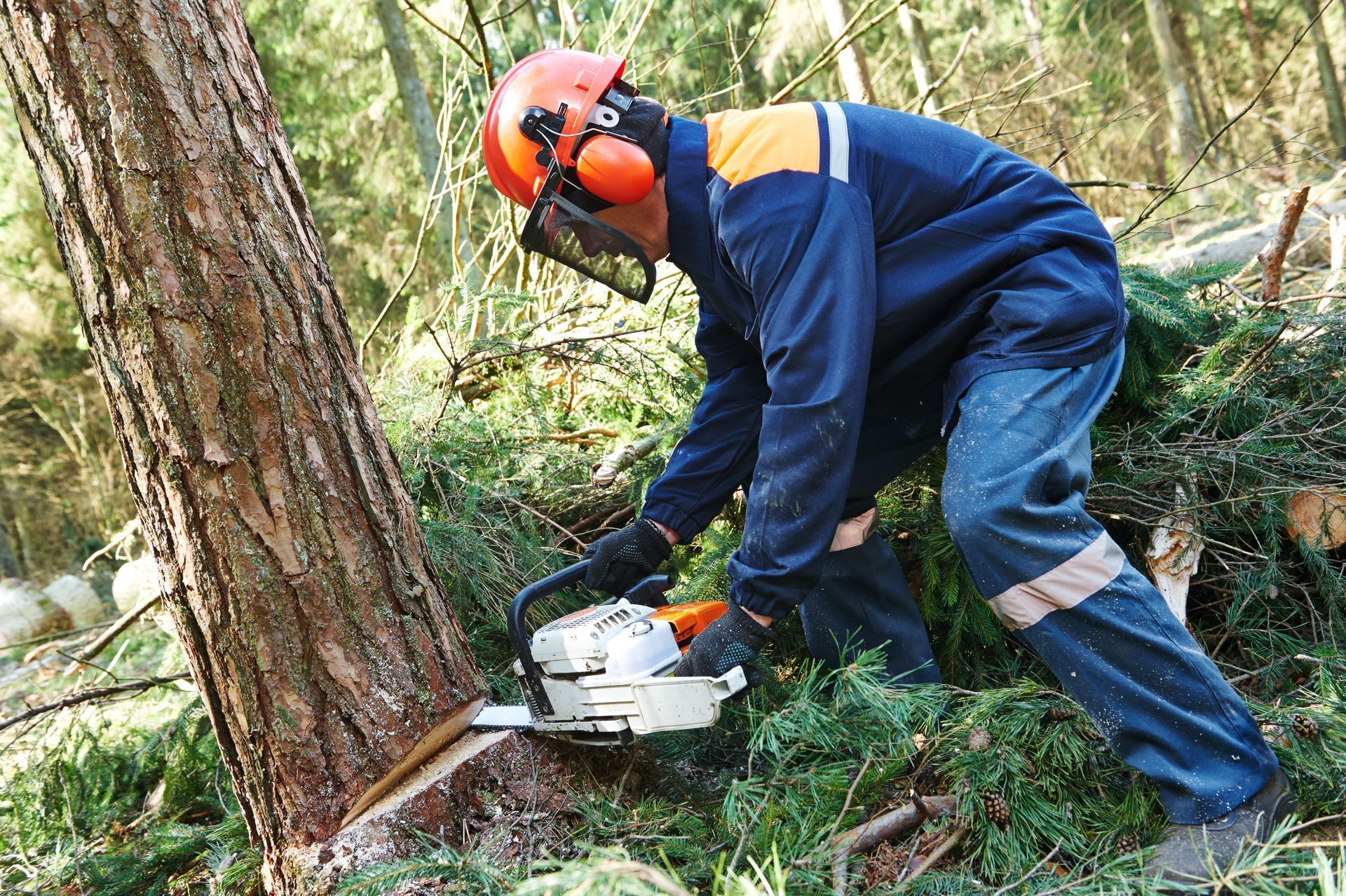
Safety should always be a top priority when hiring a tree care company. Tree work involves heavy equipment, high elevations, and the potential for falling branches, making it essential that the company follows strict safety protocols. Ask about the precautions they take to protect both workers and your property. This might include wearing protective gear, using proper rigging techniques, and having a detailed plan for debris removal.
A company committed to safety will also inspect trees thoroughly before starting work. Identifying potential hazards, such as dead limbs or unstable soil, helps prevent accidents during the project. They should be prepared with emergency procedures and first-aid measures in case something goes wrong. Communicating these safety plans to the property owner ensures everyone is aware of potential risks and procedures.
Reputable tree care companies also ensure that their staff receive regular safety training. This reduces the likelihood of accidents and demonstrates a company’s dedication to professional standards. Prioritizing safety not only protects everyone involved but also indicates a higher level of professionalism and reliability. Well-trained teams are more efficient and confident, completing jobs correctly the first time.
4. What's Your Pricing Structure?
Understanding a company’s pricing structure is crucial before hiring. Tree services can vary widely in cost depending on the type of work, the size of the trees, and the complexity of the job. Ask for a detailed estimate that breaks down labor, equipment, and disposal fees. Transparent pricing allows you to compare multiple providers and avoid unexpected charges.
It’s also wise to inquire about any additional costs that could arise, such as emergency services, permits, or seasonal surcharges. Reliable tree care companies will provide a clear, written estimate and explain how adjustments might occur if unforeseen issues arise. Some companies may offer installment plans or financing programs that allow you to spread the cost over time, helping you afford necessary tree care without compromising on safety or quality.
According to IBISWorld, by the end of 2025, the U.S. tree trimming industry's revenue is expected to reach $39.5 billion. This significant market growth highlights the demand for professional tree services and underscores the importance of selecting a company that delivers fair pricing along with quality work. Being proactive about understanding costs ensures that you make an informed decision while staying within budget. Considering financing options can provide additional flexibility, allowing you to prioritize urgent tree care needs without financial strain.
5. What Type of Equipment and Techniques Do You Use?
The quality and type of equipment tree care companies use can greatly impact the outcome of the project. Ask about the tools, machinery, and techniques they employ for different types of tree work. Modern equipment like aerial lifts, chipper machines, and specialized pruning tools improves efficiency and safety, especially for large or complex jobs. Using the right equipment also minimizes the risk of property damage and ensures a cleaner, more precise job.
Additionally, inquire about their approach to tree health and care. Companies that focus solely on cutting may neglect proper pruning techniques, which can damage the tree over time. A professional team will balance safety with long-term tree health, using techniques that promote growth and structural integrity. Skilled arborists understand how to navigate challenging situations, such as large branches near power lines or trees in tight spaces. Asking about their methods helps you ensure that your trees will remain strong and healthy for years to come.
Hiring tree care companies requires careful consideration, as the wrong choice can lead to costly mistakes or safety hazards. By asking questions about licensing, experience, safety measures, pricing, and equipment, you set the stage for a successful partnership. Each of these factors contributes to the quality of service, ensuring that your trees are healthy, beautiful, and safe for years to come.
Being proactive in your selection process allows you to find a company that aligns with your expectations and values. With the right tree care professionals, you can maintain your property with confidence, knowing that every job is handled with expertise, care, and professionalism.
Ready to keep your trees healthy, safe, and beautiful with one of the top tree care companies in the region? Contact James Tree Service today and discover why so many homeowners rely on us for their tree maintenance needs.