Common Fatal Tree Diseases in Arkansas: What Homeowners Need to Know
Justin James • January 28, 2026

January 28, 2026

Common Fatal Tree Diseases in Arkansas: What Homeowners Need to Know


Arkansas’ warm climate, high humidity, and diverse tree species make it a great place for beautiful landscapes—but those same conditions also make trees vulnerable to disease. At James Tree Service, we see these issues every year. Many tree diseases start quietly and worsen over time, eventually leading to costly removals, property damage, or safety hazards if left untreated.

As a homeowner, knowing what to watch for—and acting early—can save your trees, your yard, and your wallet.


Why Tree Diseases Are a Big Deal in Central Arkansas

Central Arkansas’ long growing season, frequent rain, and mild winters create ideal conditions for fungi, bacteria, and insects that spread disease. We regularly find tree problems that started small and were overlooked until they became expensive or dangerous. Once a tree is infected, the problem rarely resolves on its own. In many cases, delaying action allows the disease to spread to nearby healthy trees or weaken the structure of the infected one.

A sick tree isn’t just an aesthetic issue—it can become a serious safety risk.


Common Fatal Tree Diseases Found in Central Arkansas


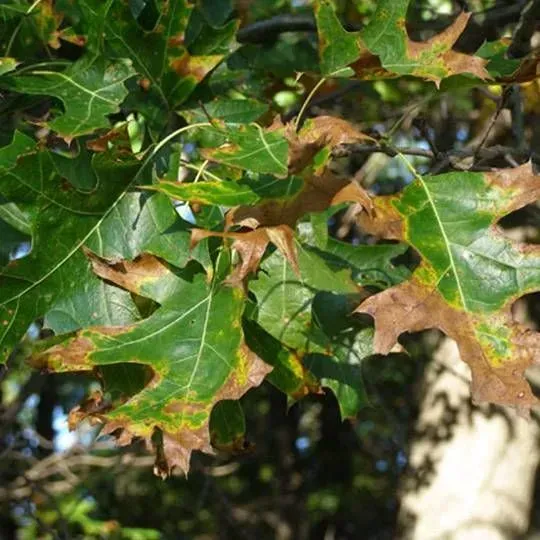
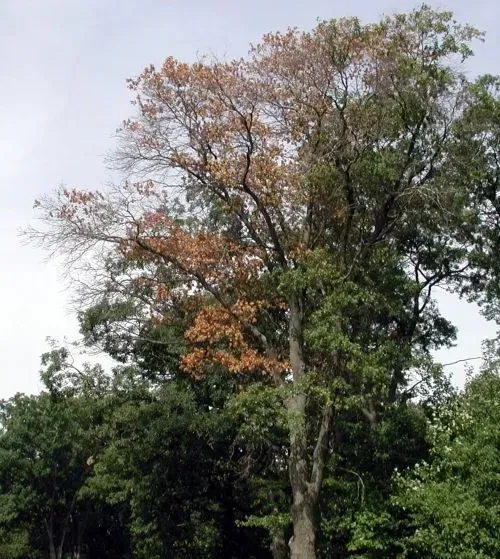
1. Oak Wilt


Oak wilt is one of the most destructive tree diseases in Central Arkansas, especially affecting red oaks and live oaks commonly found in residential yards and wooded lots.


Warning signs include:

  • Leaves turning brown or bronze from the edges inward
  • Sudden leaf drop during spring or summer
  • Rapid decline—healthy trees can die within weeks

Why it matters: Oak wilt spreads underground through root systems and can

wipe out multiple trees before homeowners realize what’s happening.


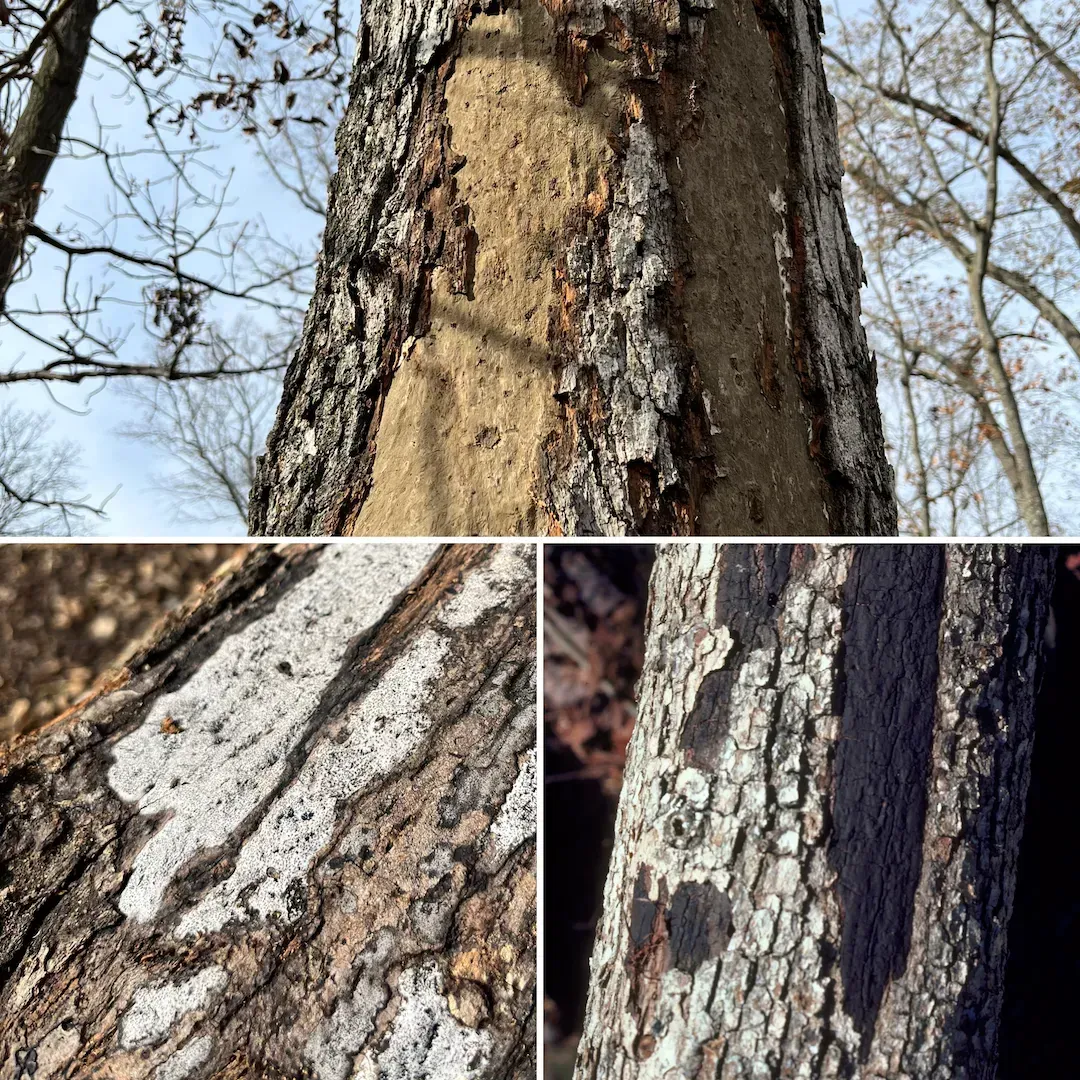
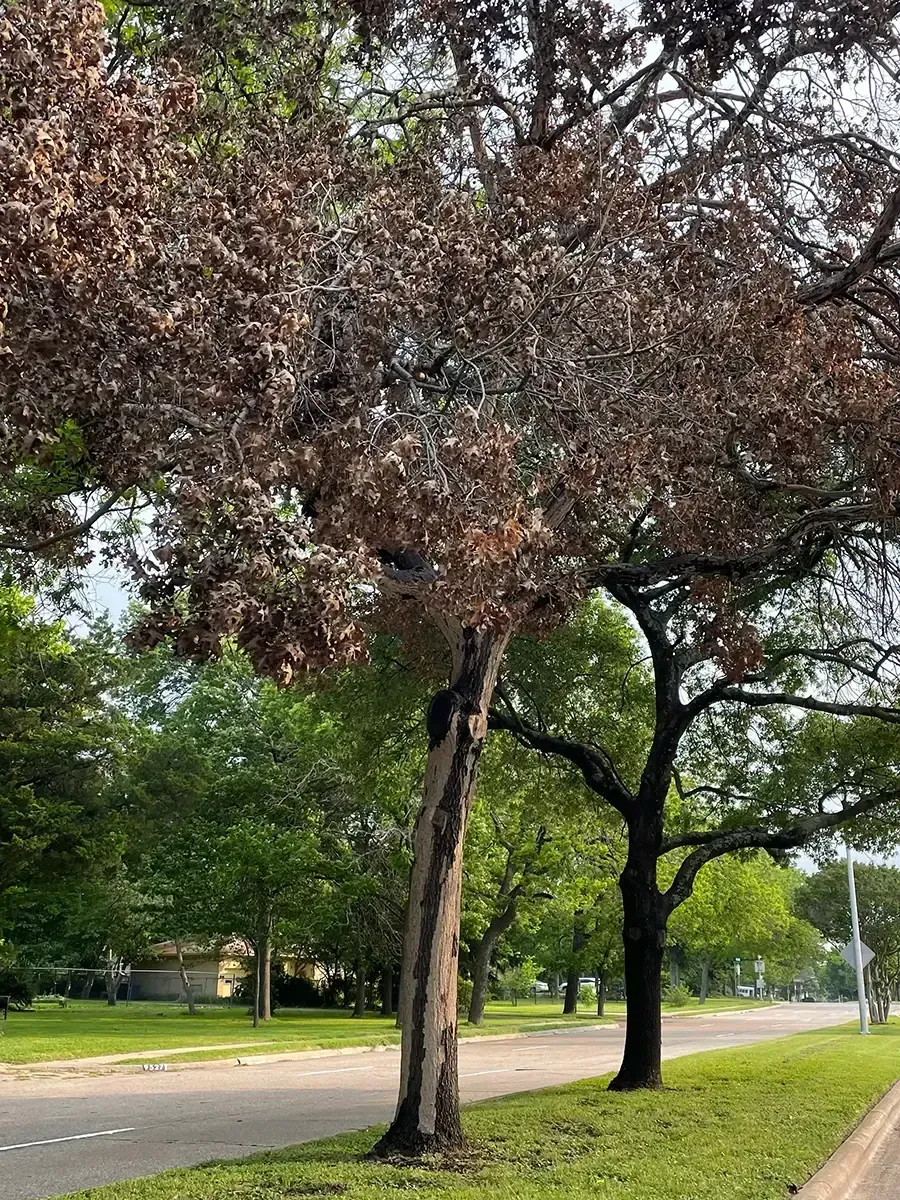
2. Hypoxylon Canker


This fungal disease commonly affects stressed hardwoods like oak, hickory, and pecan—especially during drought conditions that are common during Arkansas summers.

Warning signs include:

  • Bark peeling or sloughing off
  • Gray, tan, or silvery fungal patches on the trunk
  • Sudden limb failure or cracking sounds

Why it matters: Once symptoms appear, the tree is often already structurally compromised and can fail without warning.


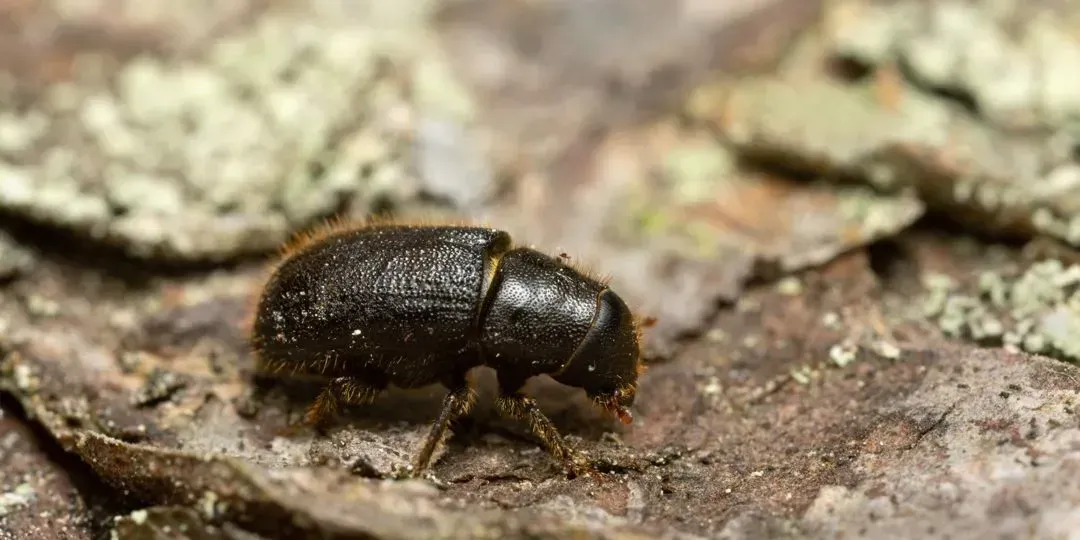
3. Pine Beetle Infestation (Southern Pine Beetle)


Pine beetles are a major threat in Central Arkansas pine stands and residential areas alike, particularly in older pine trees or trees stressed by heat or storm damage.

Warning signs include:

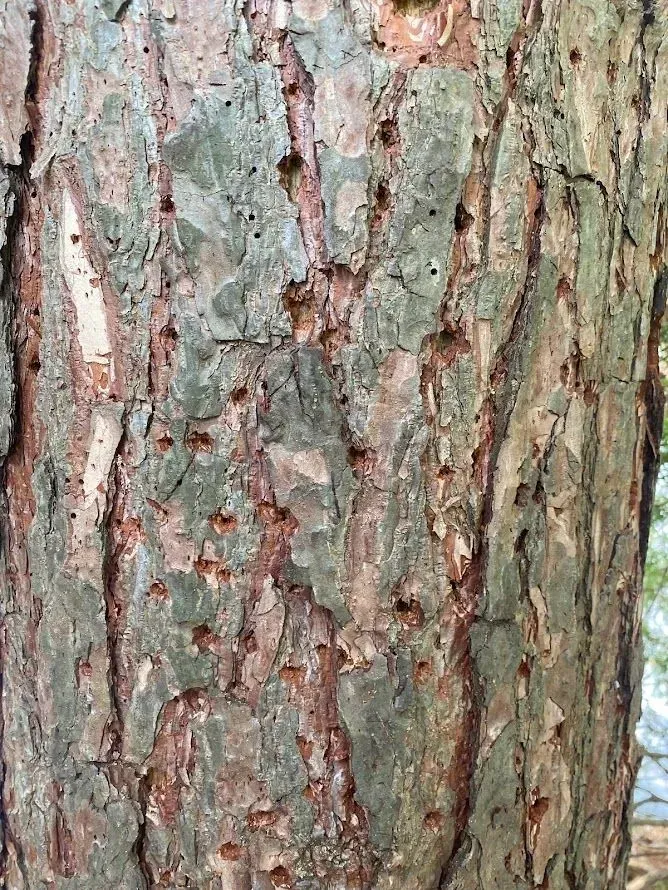
  • Pitch tubes (small popcorn-sized sap blobs) on the trunk
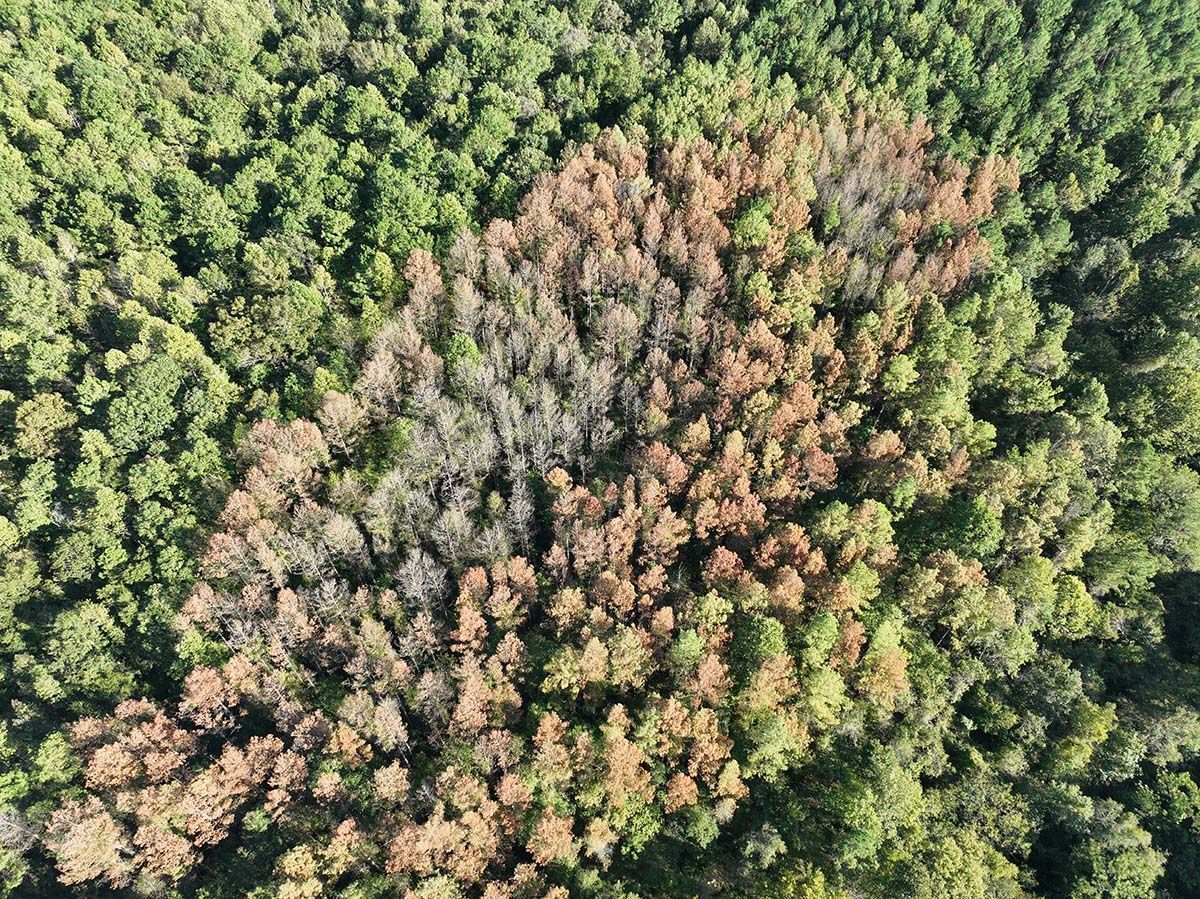
  • Reddish-brown needles
  • Fine sawdust at the base of the tree


Why it matters: Pine beetles spread rapidly and can kill a pine tree in a matter of weeks, then move on to neighboring trees.


4. Root Rot (Armillaria, Phytophthora and Ganoderma)


Root rot is especially dangerous because the damage occurs underground before visible symptoms appear. We frequently encounter this issue in poorly drained soils, oversaturated, and low-lying areas around homes in Central Arkansas.

Warning signs include:

  • Wilting or yellowing leaves
  • Reduced leaf size
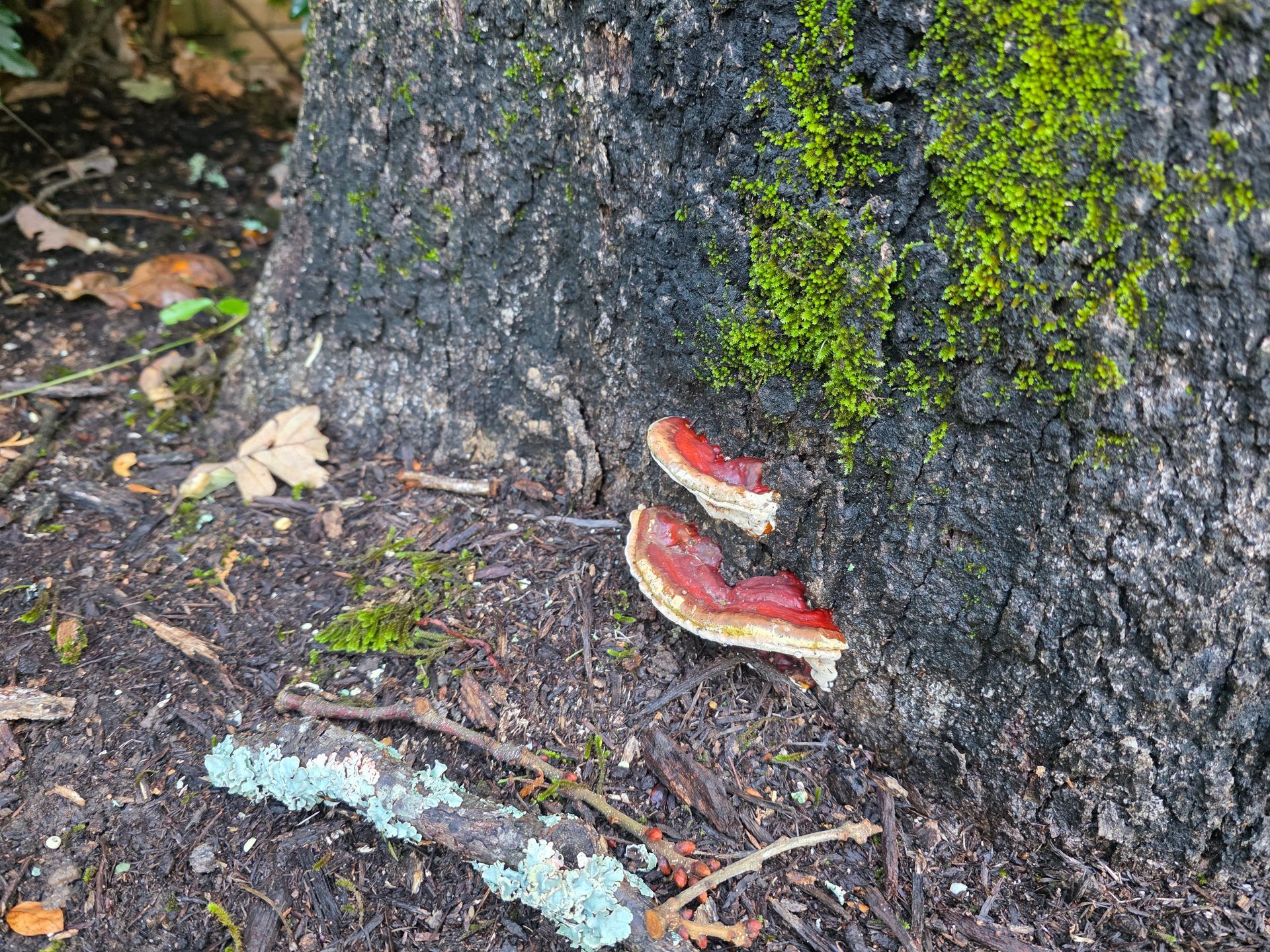
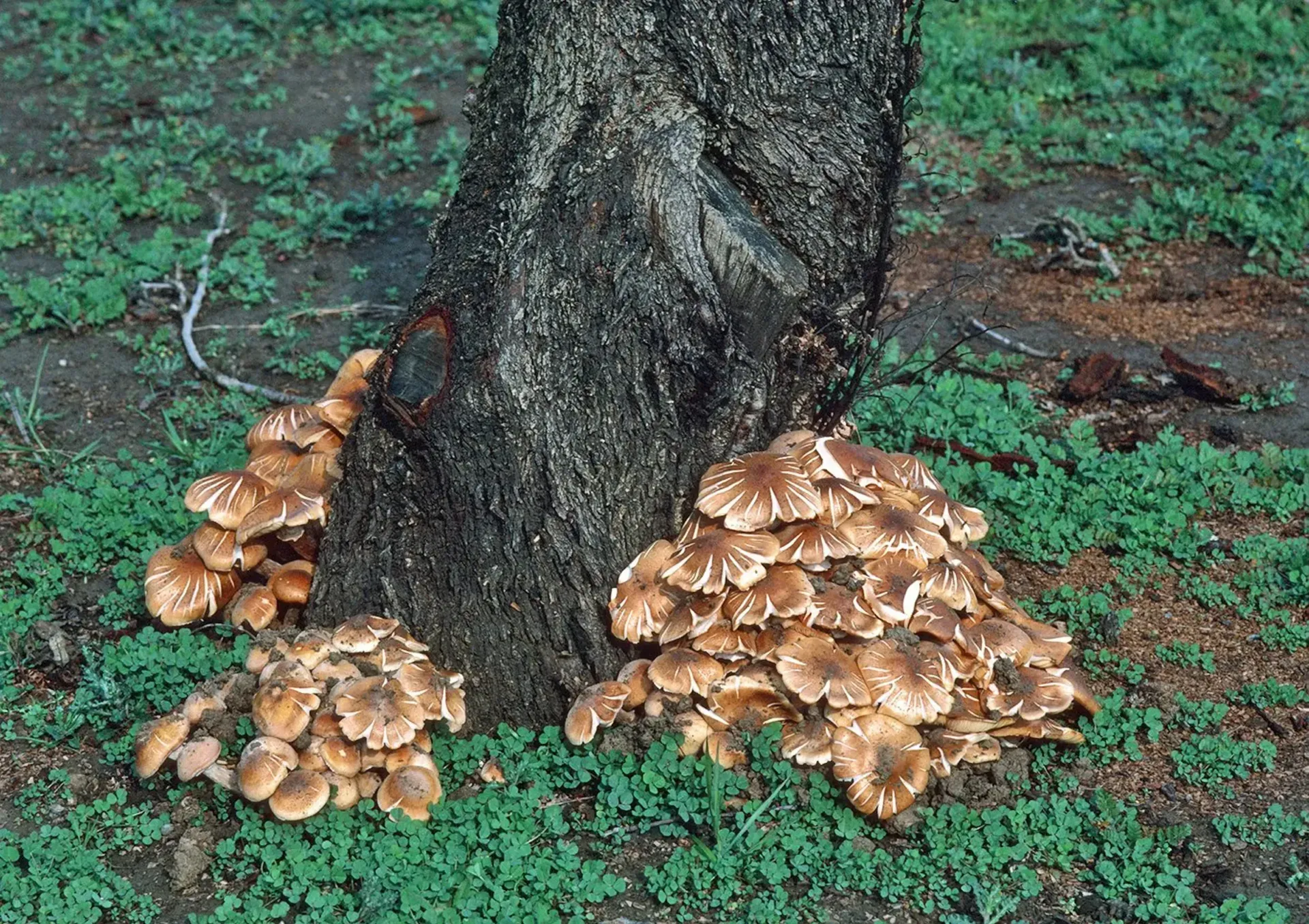
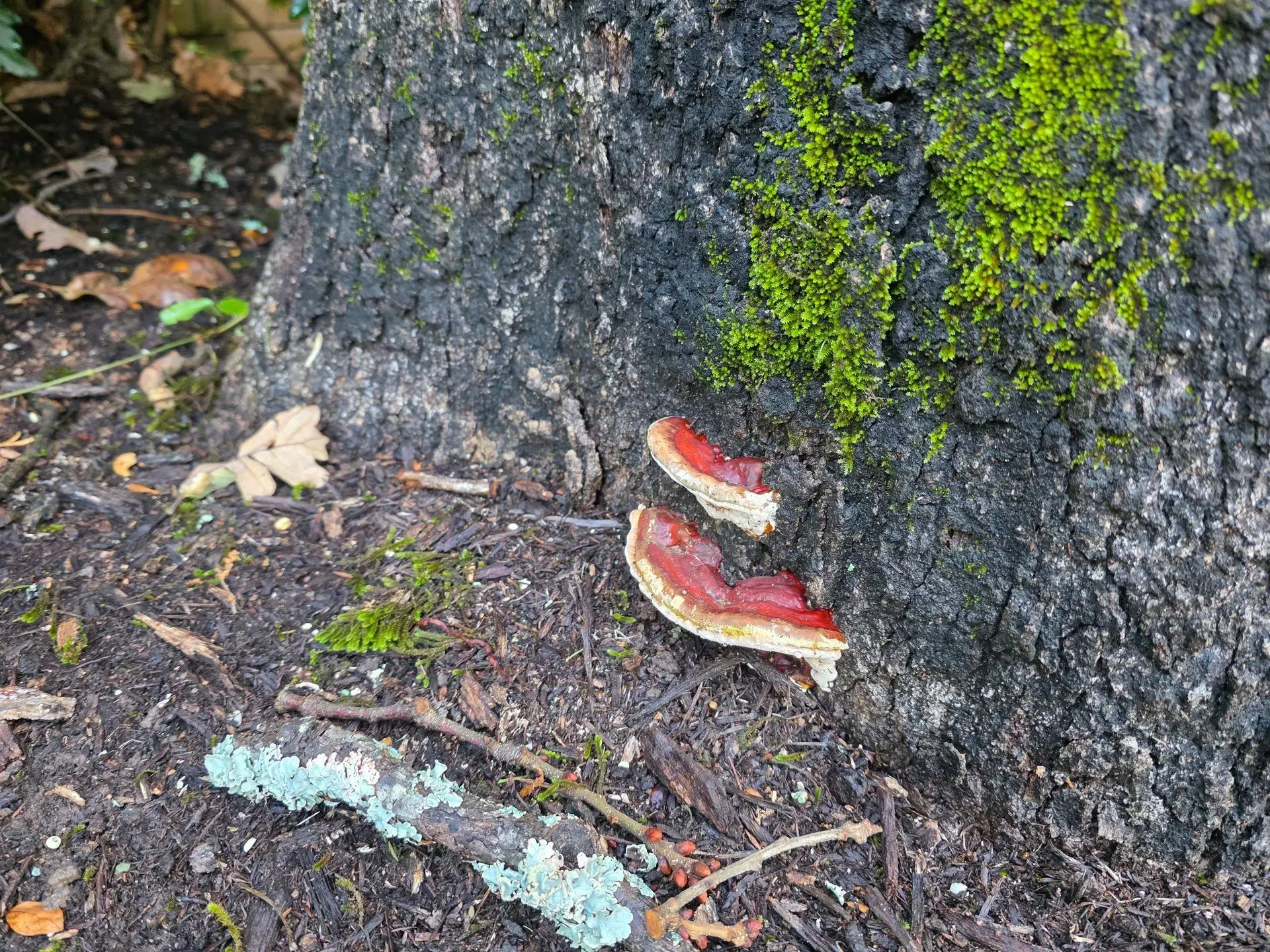
  • Mushrooms growing near the base of the tree
  • Leaning trees or soil heaving

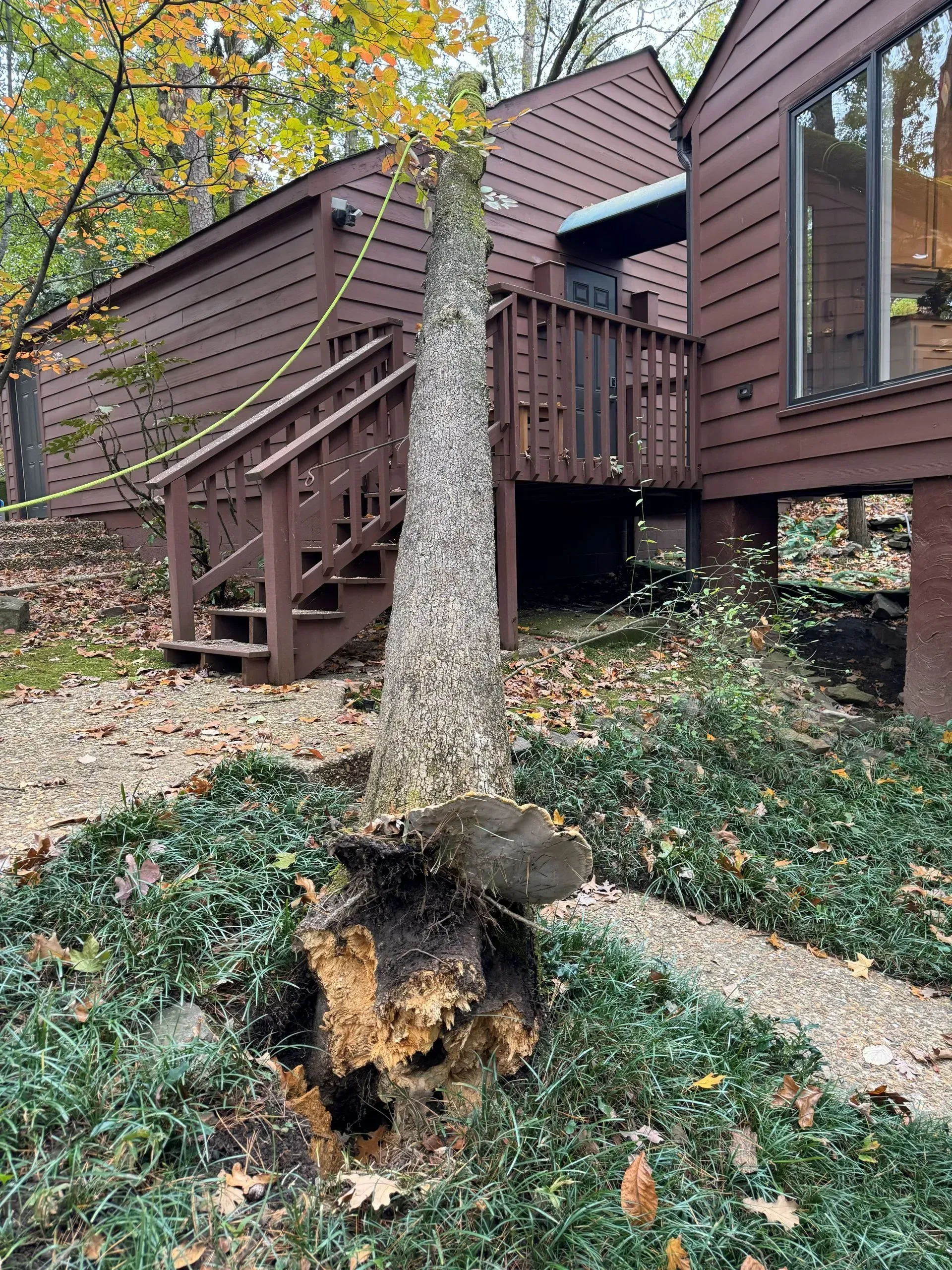
Why it matters: Root rot compromises the tree’s anchoring system, greatly increasing the risk of the tree falling during storms.


⚠️ Out of the three diseases that cause Root Rot, Ganoderma is the most dangerous and immediate threat to homeowners, and is a prominent threat here in Central Arkansas


  • Early stages show very few visible canopy symptoms
  • By the time it’s obvious, the tree is often already structurally compromised


            Why Ganoderma Is a Major Threat in Arkansas


Ganoderma is a wood-decay fungus that causes butt rot and root decay, especially in:

  • Oaks (very common in Central Arkansas)
  • Maples
  • Elms
  • Sweetgums
  • Beech

It thrives in warm, humid climates — which makes Arkansas an ideal environment.


Why It’s More Dangerous Than Many Diseases


Unlike leaf diseases or insects, Ganoderma:

  • Attacks the structural heartwood
  • Weakens the tree at the base and root flare
  • Can cause sudden, catastrophic failure with little warning
  • Cannot be cured once established


A tree with Ganoderma may look fine… right up until it falls.


Key Ganoderma Warning Signs You Should Look For


These are the exact signs you see in the field:

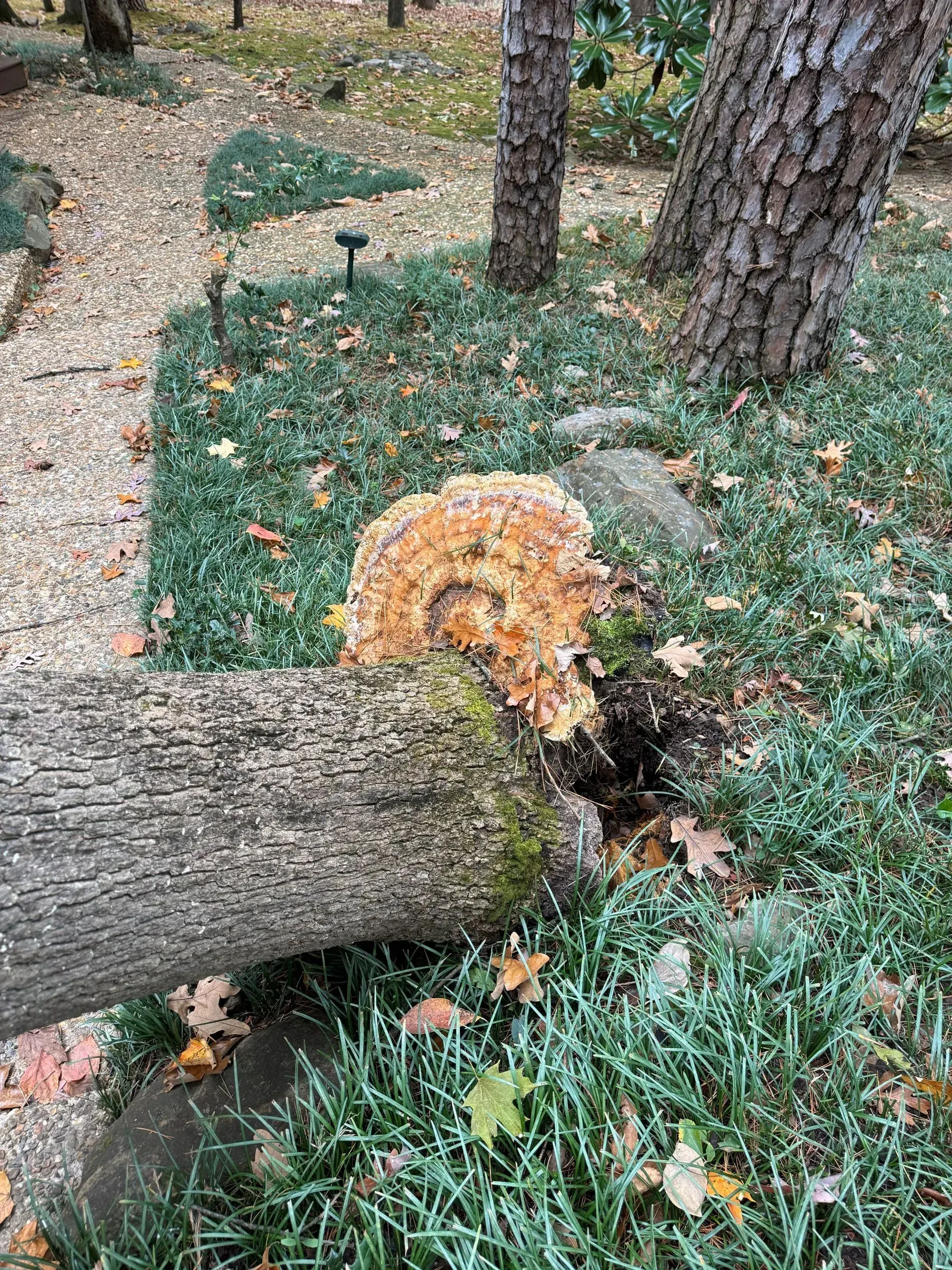
  • Large shelf-like conks (brackets) at the base or on roots
  • Often reddish-brown, dark brown, or varnished-looking
  • Hollow or soft-sounding trunk when tapped
  • Soil cracking or separation around the root flare
  • Canopy thinning or dieback after structural damage has already occurred


⚠️ Important:
If you see a Ganoderma conk, the tree has likely been decaying internally for
years.


Signs Your Tree Needs Immediate Attention


Regardless of the specific disease, these symptoms should never be ignored:

  • Dead or falling branches
  • Cracks in the trunk or major limbs
  • Sudden leaf loss out of season
  • Fungal growth on bark or roots
  • Leaning trees or exposed roots

If you notice one or more of these issues, it’s time to call a professional tree service before the problem becomes an emergency.


Why Tree Diseases Should Not Be Left Unaddressed


Delaying treatment can lead to:

  • Tree death, requiring full removal instead of treatment
  • Disease spread to nearby trees
  • Increased risk of falling limbs or entire trees
  • Higher costs due to emergency removals or property damage

Early intervention often means the difference between saving a tree and losing it entirely.


How James Tree Service Helps


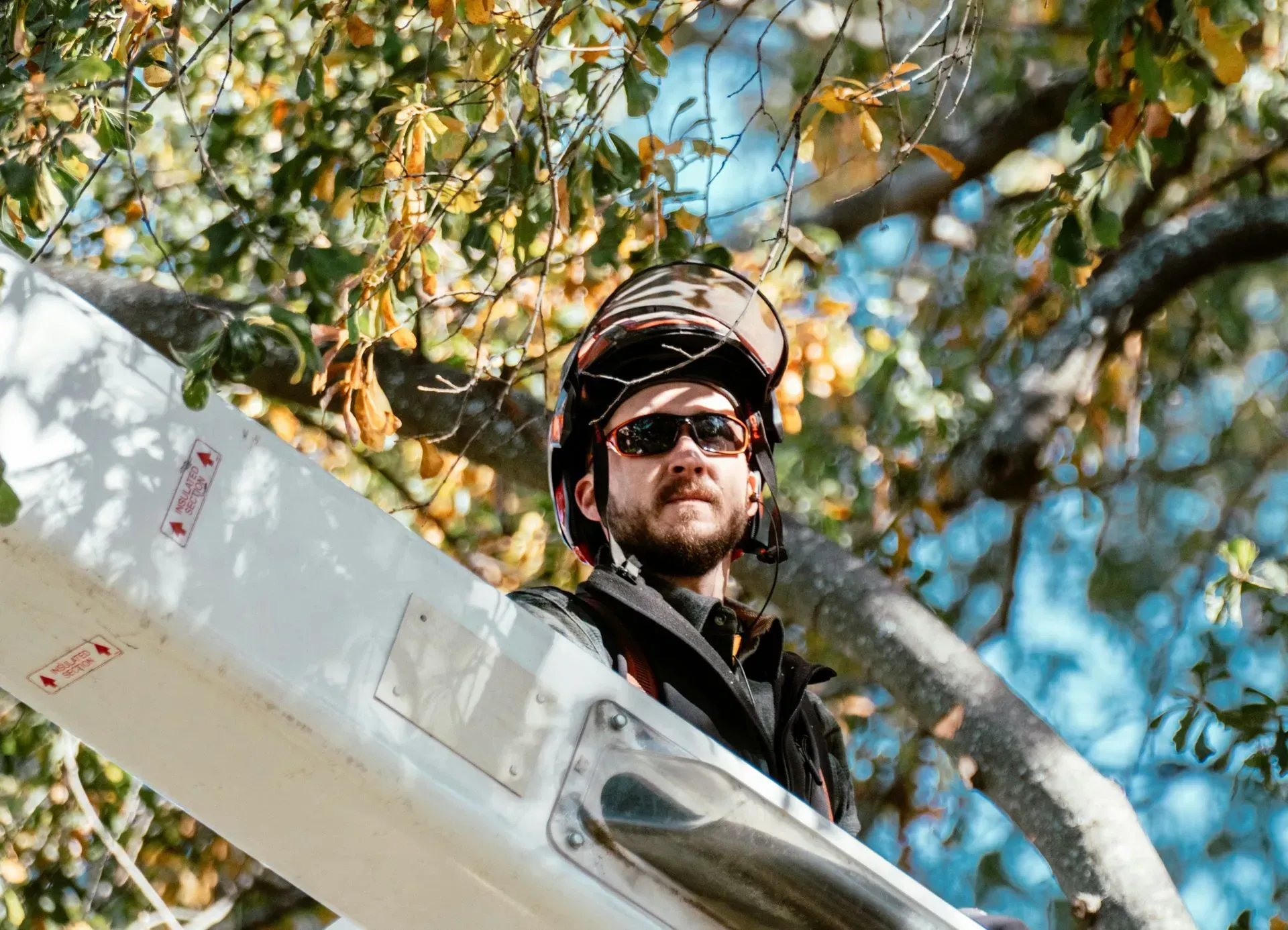
At James Tree Service, our experienced crews and arborists can:

  • Accurately diagnose the disease
  • Recommend treatment or removal options
  • Prune infected limbs safely
  • Protect nearby healthy trees
  • Identify hazards before they become emergencies


Protect Your Trees—and Your Property


Healthy trees add beauty, shade, and value to your home. Paying attention to early warning signs and acting quickly can protect that investment.

If you’re unsure about the health of your trees, it’s always better to have them inspected sooner rather than later. Tree problems rarely fix themselves—but with timely care, many can be managed or prevented.

If you suspect a tree disease on your property, contact James Tree Service for a professional evaluation before the problem grows. Early action can save trees, prevent damage, and protect your home and family.


tree removal
January 21, 2026
Protect your home from hazards, root damage, and falling limbs with timely tree removal. Keep your property safe, healthy, and looking its best year-round.
tree care company
December 22, 2025
Read this article to learn the six signs you need to hire a professional tree care company. Give us a call today to schedule an appointment!
tree care companies
December 15, 2025
Discover the five key questions to ask before hiring tree care companies to ensure safety, professionalism, and quality results for your property.
Show More →