January 21, 2026
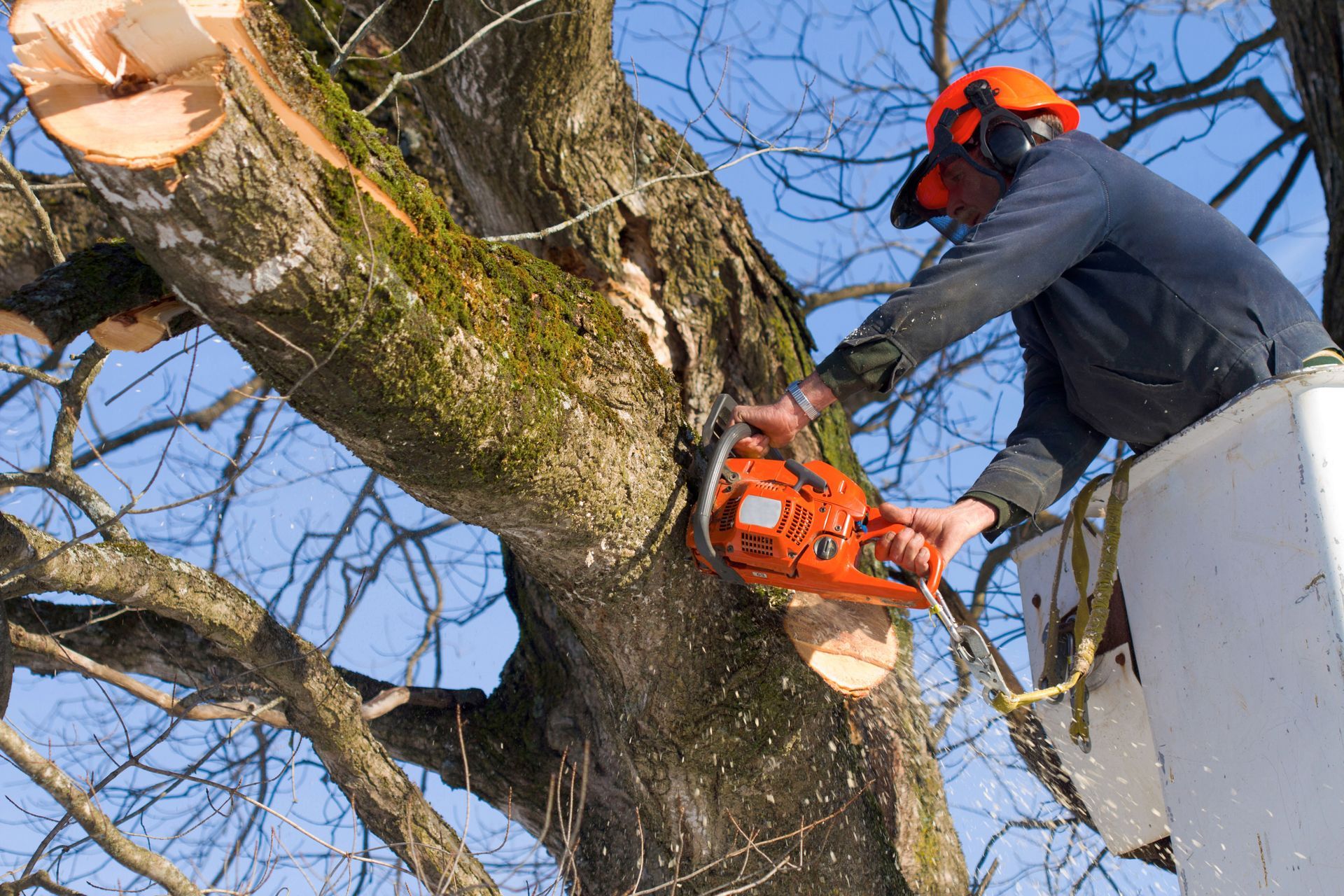
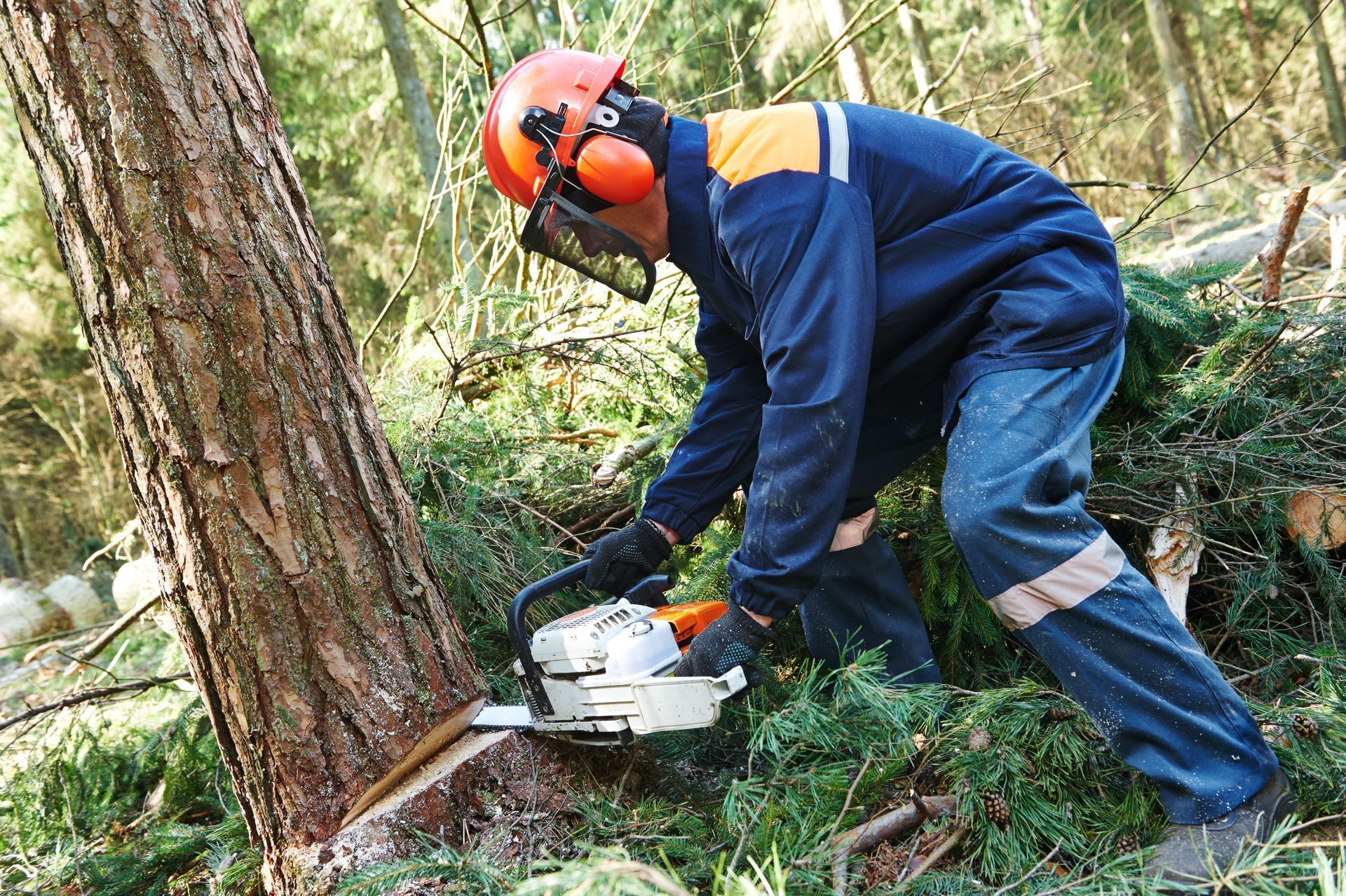
Tree removal is often viewed as a last resort or a task that can wait. However, postponing this essential service can create significant safety risks, property damage, and environmental issues. Taking timely action protects both your home and your community while ensuring that small problems do not escalate into costly emergencies. Understanding the reasons behind prompt tree removal can help you make informed decisions that safeguard your property and long-term well-being. It also allows homeowners to better prioritize landscape health and prevent the gradual decline that often happens when trees are ignored. Early planning and professional guidance can make the process smoother and more cost-effective.
Recognizing Safety Concerns
Trees that are aging, diseased, or structurally compromised pose considerable dangers. Weak or dead branches can break off unexpectedly, creating hazards for anyone walking or driving nearby. Even in calm weather, these branches may fall without warning, potentially causing serious injuries or damage to vehicles and rooftops. In neighborhoods where homes, businesses, and walkways sit close together, the risks only increase. Timely tree removal helps prevent accidents and keeps outdoor spaces safe for everyone.
Preventing Visibility Hazards
Overgrown trees often block visibility for both drivers and pedestrians. Branches that extend into roadways can obscure stop signs, traffic lights, or essential roadway markings. On sidewalks, heavy foliage may force pedestrians into unsafe areas or make pathways unusable. These hazards become even more dangerous at night or during poor weather conditions. Removing or properly managing obstructive trees improves visibility and ensures that public spaces remain accessible and secure.
Avoiding Power Line Complications
Trees growing near power lines can cause electrical problems, outages, or even fires. When branches make contact with wires, they create dangerous situations that put entire neighborhoods at risk. While utility companies perform routine trimming, homeowners must also address trees on their own property that threaten electrical systems. Proactive tree removal reduces the possibility of widespread outages and ensures that nearby infrastructure remains safe and functional.
Protecting Roofs and Structures
Trees that stand too close to homes can gradually deteriorate roofing, siding, and structural elements. Branches scraping against shingles may cause leaks, while large limbs that fall during storms can puncture roofs or break windows. Roots can also grow beneath foundations, weakening the structural integrity of your property. Removing hazardous trees before they cause damage helps preserve your home’s safety, stability, and long-term value.
Reducing Storm-Related Risks
Storms significantly increase the likelihood of tree failures. High winds, heavy rains, and saturated soil can cause unstable trees to topple with little warning. Diseased or aging trees are especially vulnerable, and if they fall, they may damage homes, vehicles, fences, or utility lines. Timely tree removal reduces these storm-related dangers and helps protect your property and neighborhood.
Avoiding Root Damage to Foundations
Tree roots may be out of sight, but they should never be out of mind. Over time, roots can penetrate foundations, sidewalks, and driveways, causing cracks, upheaving surfaces, and creating expensive structural issues. These root-related problems often require professional repair, and in many cases, tree removal is the most effective preventive measure. Addressing root concerns early can save significant money and maintain the stability of your property.
Protecting Underground Utilities
Expanding root systems can infiltrate underground utilities, including sewer lines, drainage pipes, and water connections. When roots grow into these systems, they cause blockages, leaks, and pipe damage that can lead to costly repairs and inconvenient service interruptions. Removing problematic trees before roots compromise utilities ensures smoother operation and fewer unexpected disruptions.
Preventing Gutter and Drainage Issues
Trees that stand close to your home shed leaves, seeds, and debris that quickly fill gutters and downspouts. When gutters clog, water spills over the edges and may seep into basements, walls, or crawl spaces. Moisture problems often create mold, mildew, and structural decay. Tree removal helps maintain healthy drainage systems and prevents the water-related complications that arise from clogged gutters.
Reducing Pest Problems
Trees that hang over roofs or sit near homes provide convenient access points for pests such as squirrels, ants, and termites. These pests can travel from branches into attics, crawl spaces, and interior walls. Removing or managing certain trees significantly reduces the likelihood of infestations that could compromise your property’s structural and sanitary conditions.
Preserving Curb Appeal
While healthy trees enhance a property’s appearance, overgrown, damaged, or diseased trees have the opposite effect. They make a home look neglected and lower its visual appeal. For those planning to sell or rent their property, curb appeal plays an important role in attracting buyers or tenants. Strategic tree removal improves the overall presentation of your landscape and enhances property value.
Understanding Legal and Financial Responsibilities
As a property owner, you may be held responsible for damages or injuries caused by trees on your land. If a neglected tree falls onto a neighbor’s home or vehicle, you could face costly legal consequences. Insurance companies may even deny claims if you fail to take reasonable steps to prevent foreseeable incidents. Performing tree removal before problems develop ensures compliance with local regulations, reduces liability, and protects your financial interests.
Considering Municipal Regulations
Local ordinances often require property owners to maintain safe and healthy trees. Ignoring these regulations can lead to fines, penalties, and additional costs. Staying informed about municipal guidelines and arranging timely tree removal supports community safety and keeps you in good standing with local authorities.
Preventing Increased Costs Over Time
Delaying tree removal can cause small issues to escalate into major expenses. As trees deteriorate, roots spread, or pests invade, repair costs rise accordingly. According to Bob Vila, it can take as long as six months for a tree stump to die if you cover it with a tarp, reinforcing how slow and prolonged the deterioration process can be when trees are not addressed promptly. Addressing hazards early saves money and eliminates the need for emergency services or extensive repairs.
Maintaining Ecological Balance
Some trees become diseased, invasive, or environmentally disruptive. When these trees remain untreated, they can harm surrounding vegetation, wildlife habitats, and soil quality. Removing trees that threaten ecological stability helps maintain a healthy landscape and preserves biodiversity. Proper tree removal ensures that native plants and animals continue to thrive.
Reducing Health Risks Around Your Property
Tree debris, moisture, and pollen can contribute to respiratory problems, allergies, and mold growth. Diseased trees may attract insects or create damp conditions that compromise indoor air quality. Tree removal helps prevent these health risks, ensuring a safer environment for everyone living on or visiting your property.
Improving Economic Outcomes
Timely tree removal results in measurable long-term savings. By preventing structural issues, utility damage, and emergency removals, homeowners can anticipate fewer surprise expenses. Properties with well-maintained landscapes also tend to command higher resale values and attract more interest from potential buyers. Investing in tree care is a strategic decision that strengthens financial security and enhances overall property appeal.
Delaying tree removal can lead to safety hazards, expensive repairs, environmental imbalance, and preventable health concerns. Addressing tree issues early helps protect your home, your finances, and the surrounding landscape. If you need reliable, professional support, James Tree Service is ready to assist. Contact us today for expert tree removal and comprehensive care that keeps your property safe, beautiful, and protected for years to come.