October 31, 2026
Trees serve as valuable assets to residential and commercial properties alike, providing shade, enhancing curb appeal, improving air quality, and creating peaceful outdoor environments. Despite their size and apparent strength, trees are delicate biological systems vulnerable to environmental stress, pests, fungi, and structural decay. Identifying declining health before a specimen deteriorates completely can protect surrounding structures, nearby utility lines, and residents from unexpected hazards. When property owners recognize early warning signs, contacting a local tree service allows certified professionals to assess conditions thoroughly and implement corrective solutions.
Recognizing Warning Signs in the Canopy
Observing Foliage Discoloration and Premature Leaf Drop
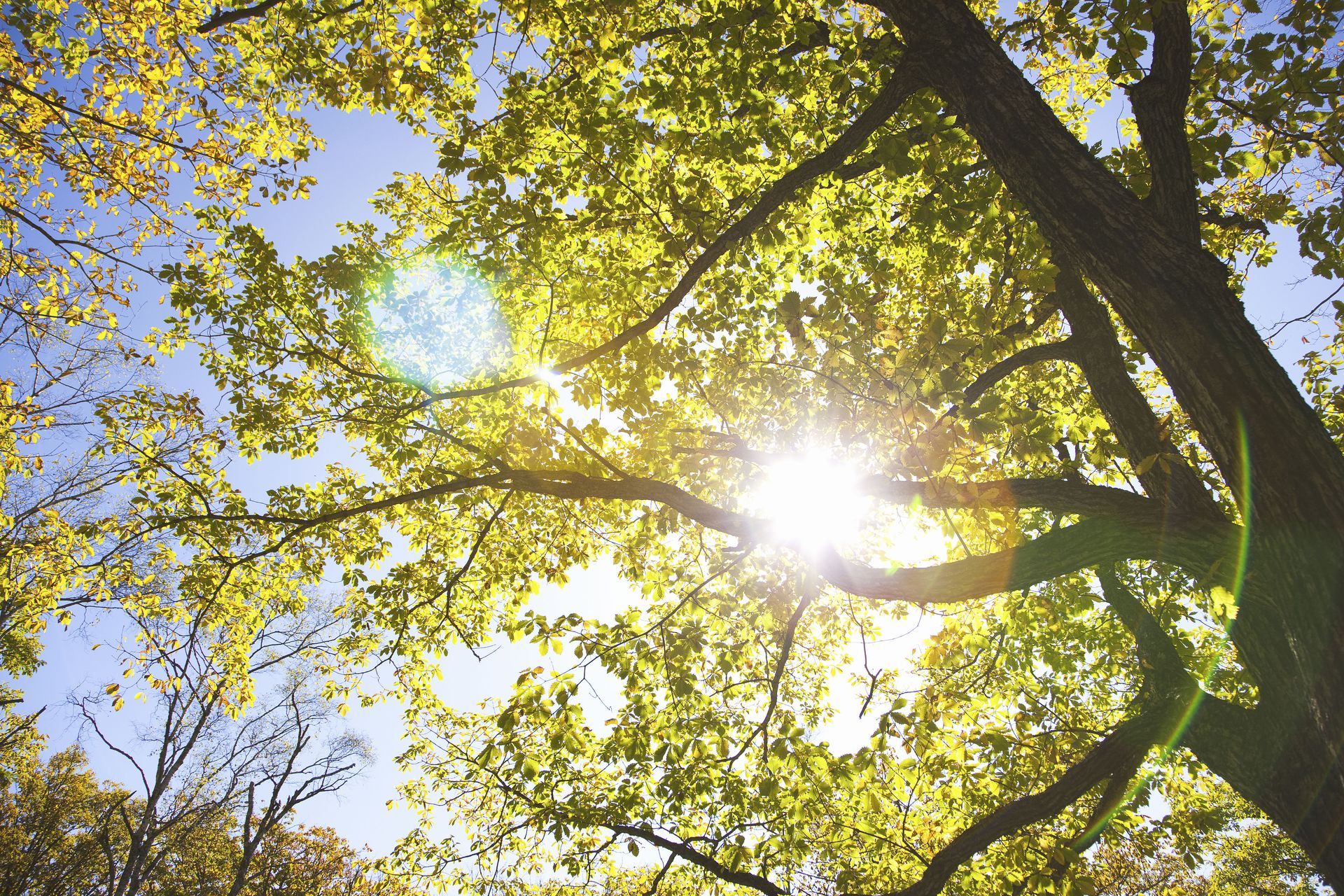
Leaves serve as the food factories of a tree, converting sunlight into essential nutrients through photosynthesis. When a tree suffers from internal disease, root dysfunction, or nutrient deficiency, foliage often displays the first visible symptoms. Property owners should watch for yellowing, browning, or mottled leaves that appear outside of the standard autumn cycle. Certain fungal infections cause distinctive spotting or leaf scorch, where the edges of leaves turn dry, crisp, and discolored while the veins remain green. In other instances, a diseased canopy may produce stunted, undersized leaves or experience premature defoliation in midsummer. A thinning canopy that allows excessive sunlight to reach the ground indicates reduced vigor, signaling that an evaluation by a local tree service may be necessary to identify the root cause.
Identifying Deadwood and Broken Branches in Upper Limbs
Deadwood represents one of the most prominent physical indicators of tree decline. While natural branch shedding occasionally occurs as trees mature, clusters of brittle, leafless limbs concentrated in the upper canopy indicate structural distress. Dead branches often lose their bark, display faded gray hues, and snap easily during periods of wind or heavy precipitation. As internal fungal decay spreads, these limbs lose structural elasticity, turning into overhead liabilities. A professional assessment from a local tree service can help identify whether deadwood removal or pruning can salvage the specimen or if the structural damage extends throughout the main scaffold branches.
Inspecting Abnormalities Along the Trunk and Bark
Detecting Fungal Conks and Mushroom Growth Along the Base
The presence of mushrooms, conks, or shelf fungi emerging directly from the bark, lower trunk, or root flare indicates active internal decomposition. Fungi thrive on moist, decaying organic matter; therefore, when fungal fruiting bodies appear on standing timber, heartwood or sapwood decay is already well underway. Common wood-rotting fungi gradually break down cellulose and lignin, the structural proteins responsible for wood strength. Once these internal fibers decompose, the trunk becomes hollow or fibrous, drastically diminishing its ability to bear load during adverse weather events. Discovering shelf fungi on a mature specimen warrants immediate attention, as fungal decay frequently requires advanced diagnostic tools to evaluate the remaining sound wood.
Finding Cracks, Cavities, and Peeling Bark on the Stem
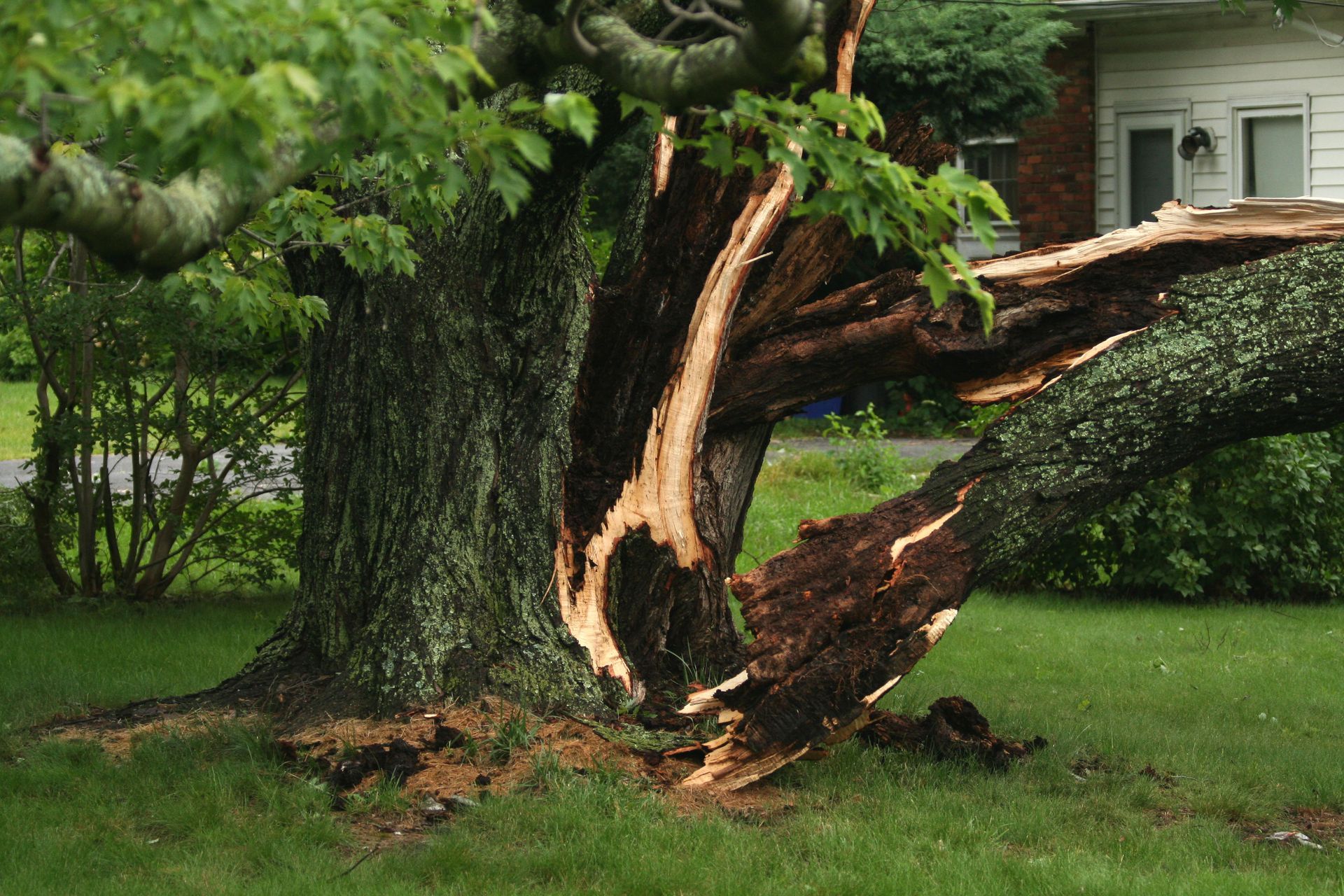
Healthy bark serves as an elastic, protective barrier against moisture loss, pathogens, and insect penetration. While some tree species naturally shed thin outer bark, large sections of peeling, sloughing, or brittle bark that expose bare inner wood point toward systemic health issues. Vertical cracks or deep seams running along the trunk often indicate structural failure, frost damage, or internal rot. Cavities formed by neglected wounds, previous limb breakage, or boring insects also weaken the trunk. When two vertical cracks occur directly opposite each other on a stem, the risk of catastrophic trunk failure increases significantly. Engaging a local tree service to inspect deep fissures ensures structural integrity is properly measured against potential hazards.
Evaluating Root Flare and Soil Conditions
Spotting Soil Heaving and Exposed Decay Around the Base
A healthy root system anchors a tree firmly into the ground while gathering water and dissolved soil minerals. Because roots remain largely subterranean, identifying root disease often involves inspecting the root flare where the trunk widens at the ground. Pounded soil, severed roots from recent trenching or excavation, and compacted earth can starve roots of vital oxygen and moisture. Property owners should remain alert for soil mounding, heaving, or noticeable cracks in the dirt on the windward side of a tree, as these symptoms indicate that anchoring roots may be shearing under the surface. If mushrooms emerge directly from the soil within the root spread, root rot pathogens may be consuming vital anchoring structures beneath ground level.
Managing Leaning Stems and Compromised Root Plates
Trees that grow with a natural, long-standing curvature often adapt their root and wood growth to balance the canopy safely. However, a sudden lean or an existing lean that progressively worsens over a brief period indicates serious root failure. When high winds, saturated soils, or aggressive root pathogens damage the underground network, the root plate can shift, causing the entire tree to tilt unpredictably. Leaning trees with damaged root plates pose substantial physical threats to property boundaries, outbuildings, and pedestrian walkways, making professional review by a local tree service critical before weather events exacerbate the instability.
Understanding Weather Vulnerabilities and Structural Risks
Assessing Storm Vulnerability and Canopy Density
Dense canopies act like large sails when subjected to powerful wind gusts. If a tree possesses internal decay, deadwood, or weak branch unions, severe weather can trigger catastrophic limb or stem failure. According to the Weather Channel, windstorms felled branches and whole trees across the country in 2025, tragically taking 34 human lives. Structural integrity issues that remain hidden during calm weather become life-threatening liabilities during heavy wind, thunderstorms, or ice events. Identifying structural vulnerabilities early minimizes the danger of storm-related hazards and protects property surroundings.
Examining Included Bark and Codominant Stems
Trees with multiple stems or codominant trunks of equal size often develop a structural defect known as included bark. As the stems grow in diameter, bark becomes pinched between the two growing stems rather than allowing strong, interlocking wood fibers to fuse the union. This creates an internal fault line vulnerable to splitting under mechanical stress, such as ice loading or high wind. Trees exhibiting narrow, V-shaped crotches rather than broad, U-shaped branch attachments carry a higher failure rate. An inspection by a local tree service can determine whether specialized branch management, weight reduction through crown thinning, or total removal provides the safest long-term outcome.
Responding to Pest Infestations and Environmental Stress
Spotting Boring Insects, Exit Holes, and Frass
Insect infestations frequently accompany or accelerate fungal diseases in stressed timber. Wood-boring beetles, caterpillars, and sap-sucking pests target weakened specimens with compromised natural defenses. Warning signs include tiny D-shaped or round exit holes in the bark, fine sawdust known as frass collecting on the trunk or around the root collar, and oozing sap along the stem. Severe insect colonization disrupts the vascular flow of water and nutrients between the roots and canopy, causing rapid decline throughout the upper crown. Consulting a local tree service allows homeowners to assess whether the infestation has spread beyond control or if surrounding healthy trees require protective measures.
Addressing Environmental Stress and Urban Site Constraints
Urban and suburban trees face numerous unnatural stressors that rarely affect specimens in dense forest ecosystems. Chemical overspray, mechanical damage from mowers and line trimmers, soil compaction from heavy foot traffic, and sudden alterations to regional water tables all weaken overall vitality. Trees planted in restricted planting strips often outgrow available root space, leading to girdling roots that circle the trunk below ground level and slowly choke nutrient transportation. Regular monitoring and preventive maintenance can identify these cultural problems before permanent decline sets in, ensuring trees remain vibrant elements of the urban landscape.
Maintaining healthy, resilient trees requires ongoing observation and timely intervention when visual defects manifest. From discoloration in the canopy and cracking along the trunk to soil disturbance near the root plate, outward symptoms offer critical clues regarding a tree's physiological state. Ignoring early indicators of fungal decay or structural weakness elevates risks to nearby dwellings, vehicles, and individuals utilizing outdoor living spaces. Whenever mature trees exhibit signs of distress, working with a
local tree service ensures that assessments are performed systematically and with appropriate safety protocols. For comprehensive tree removal, trimming, and storm damage clean-up, contact James Tree Service today to schedule an evaluation with their experienced team.